Mold Removal & Remediation in Fresno, CA
24/7 emergency dispatch, certified moisture inspection, physical containment, and documented microbial remediation across Fresno and Fresno County. 100% free upfront estimates with insurance-ready scopes.
Active coverage in Tower District, Woodward Park, Fig Garden, Sunnyside, Bullard and surrounding Fresno County neighborhoods.
Why Fresno properties develop mold
Fresno's Central Valley location produces extreme agricultural heat, intense summer sun, and dense winter Tule fog. High summer cooling demands cause HVAC drain lines to clog with algae and dust, overflowing into interior closets and ceilings across Fresno County.
Historic neighborhoods like the Tower District and Old Fig Garden hold mid-century ranch homes and early-twentieth-century bungalows where uninsulated crawlspaces trap winter moisture. In newer master-planned developments in Woodward Park and Clovis, tight building envelopes trap residential humidity without proper air exchange.
Agricultural irrigation runoff around the metro perimeter raises localized water tables, stressing ground slabs and perimeter foundations.
Our Fresno remediation teams deliver dependable containment, thorough fungal removal, duct sanitization, and structural drying.
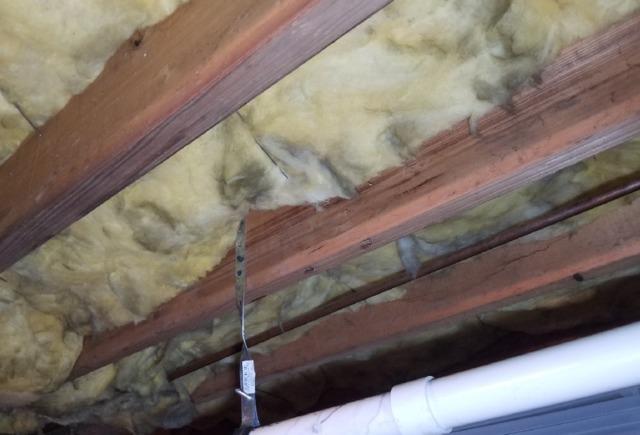
Moisture Mapping & Thermal Imaging
We track humidity gradients and pinpoint wet insulation, slab leaks, masonry efflorescence, or envelope condensation unique to Fresno's microclimate in Fresno County.
Specialized Capabilities
Remediation Services Available in Fresno
Comprehensive environmental containment, fungal sanitization, and structural drying tailored to Fresno's architecture.
Source MappingMold Inspection in Fresno
Find the moisture source, not just the stain.
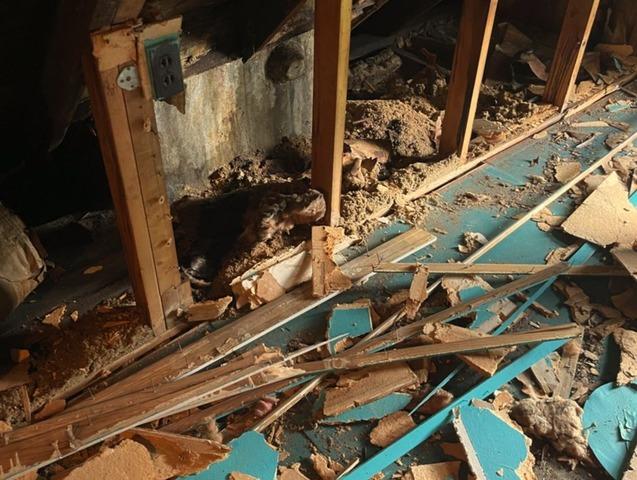 Lab Verified
Mold Testing in Fresno
Air and surface sampling when it changes the plan.
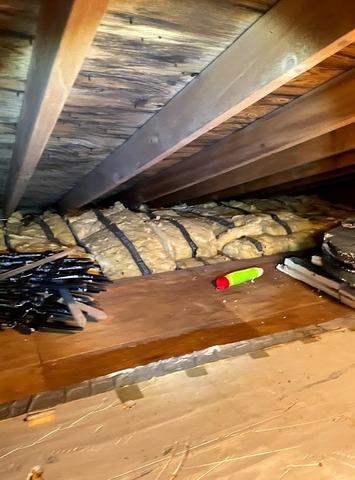 IICRC Standard
Mold Remediation in Fresno
Containment, removal, filtration, documentation.
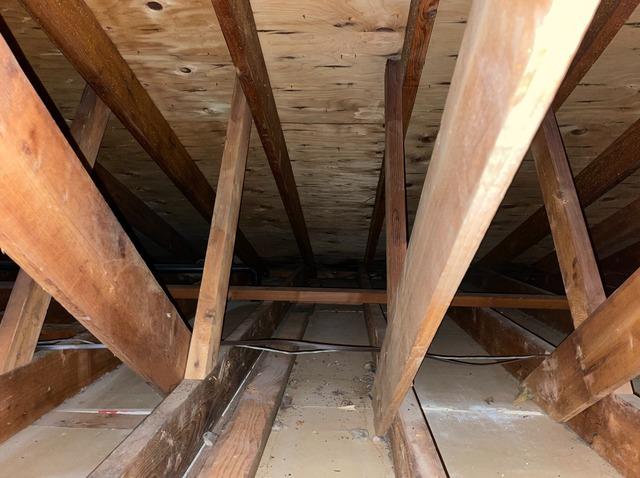 24/7 Rapid Dry
Water Damage Restoration in Fresno
Extraction and structural drying before mold starts.
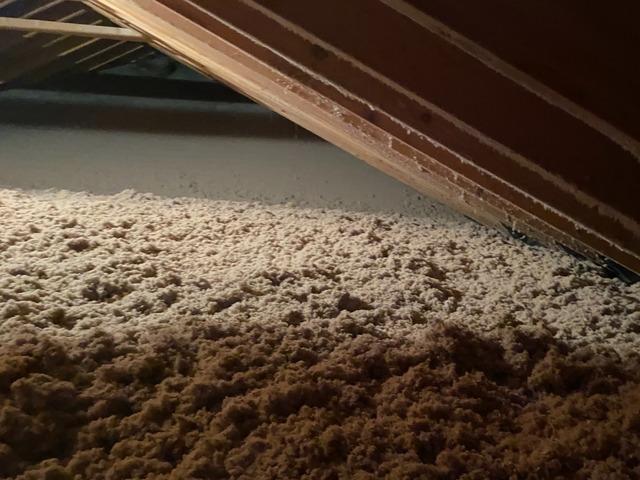 Air & Spores
Indoor Air Quality Testing in Fresno
Understand what's circulating through the building.
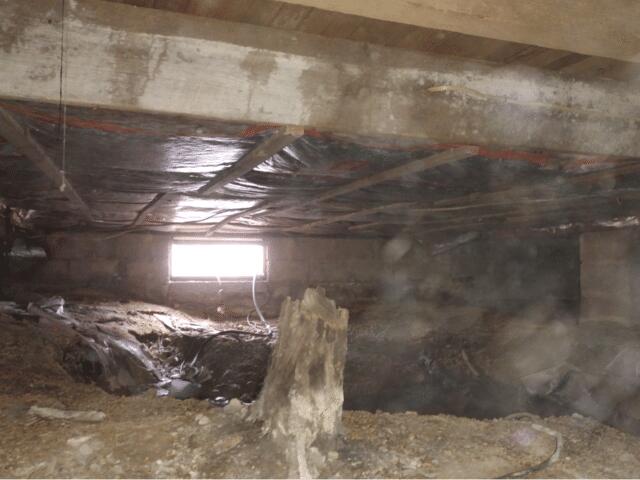 Subfloor & Attic
Attic, Crawlspace & Basement Mold in Fresno
The three places moisture hides longest.
7-Step Standard
How a Fresno Project Runs
Every project follows the same disciplined standard of care, scaled to the size and urgency of the loss.
 01
01Triage call
When you contact us, we start by understanding the situation—not by making assumptions. We ask what happened, where the problem is located, whether water is still active, and whether the property is occupied. That helps us set the right priority, bring the appropriate equipment, and schedule the next step without unnecessary delay.
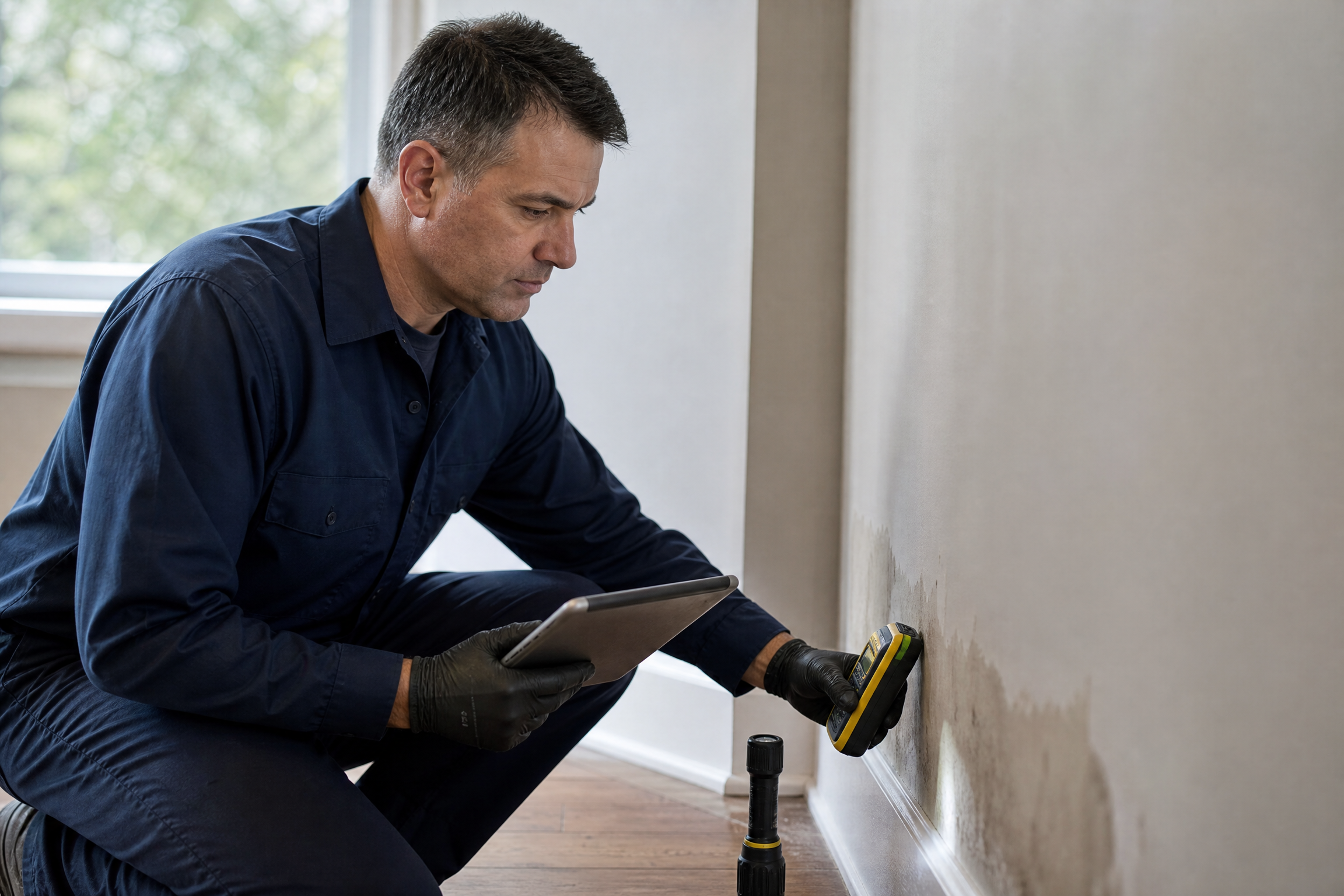 02
02Inspection and scope
We inspect the affected areas, take moisture readings, document visible conditions, identify impacted materials, and note access constraints. You receive a clear written scope so you can understand what needs attention before work begins.
 03
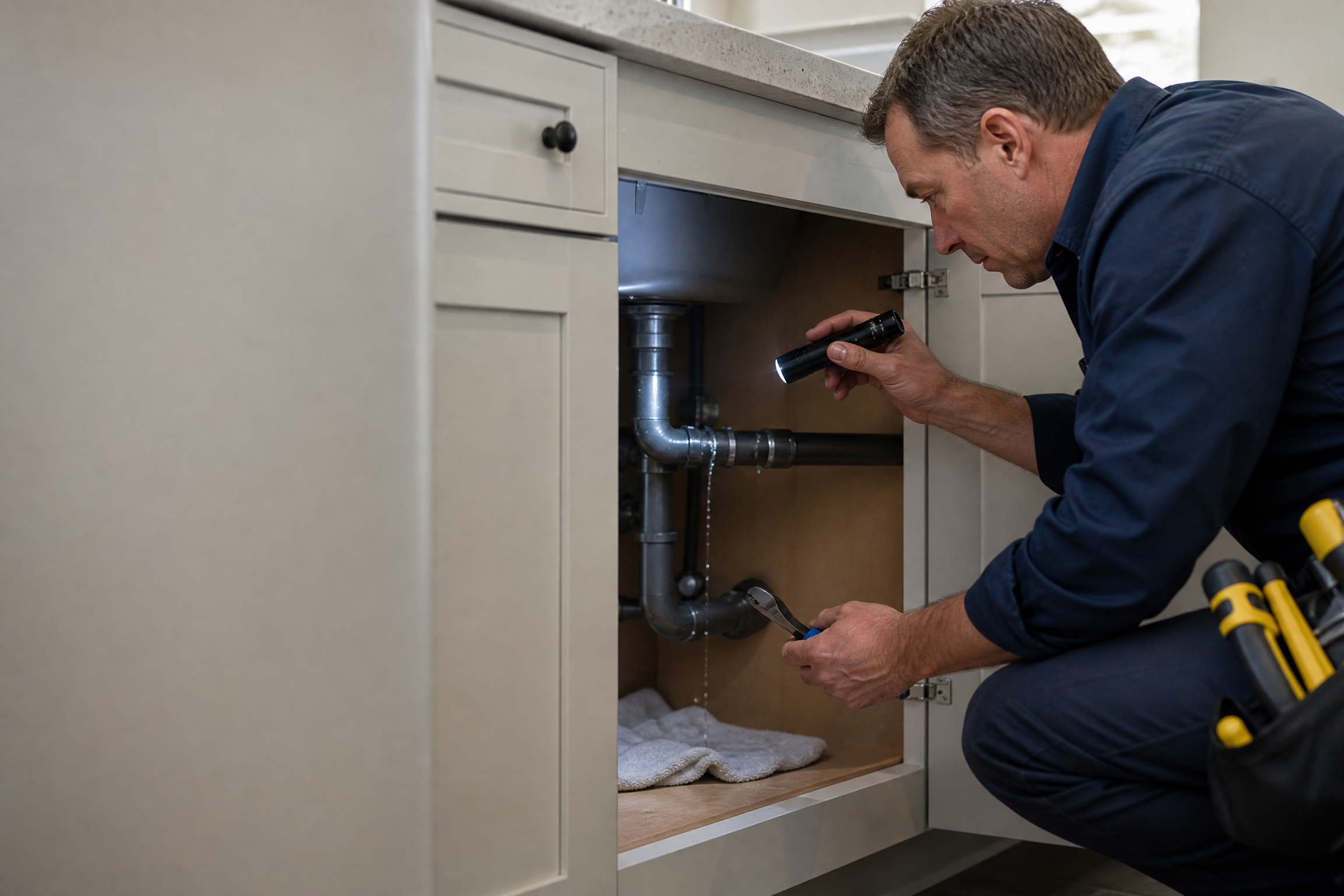
03Source correction
Cleaning up the visible damage is only part of the job. We look for the condition that allowed the problem to happen—such as a plumbing leak, excess humidity, drainage issue, or inadequate ventilation—and coordinate the correction needed to help prevent a repeat loss.
 04
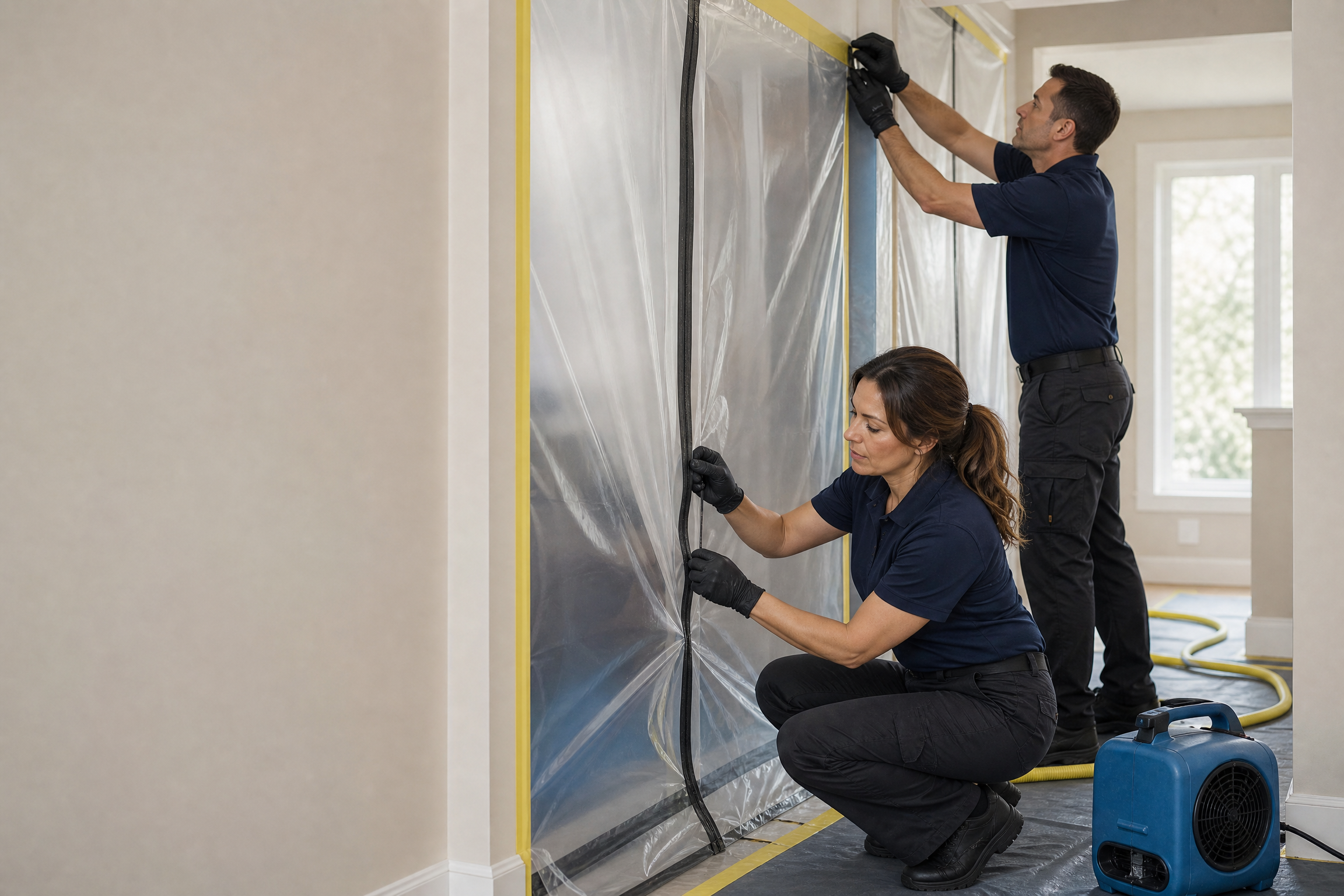
04Containment
Before remediation begins, we isolate the work area and protect the rest of the property. Depending on the situation, that may include barriers, air filtration, floor protection, contents protection, and careful separation between affected and unaffected spaces.
 05
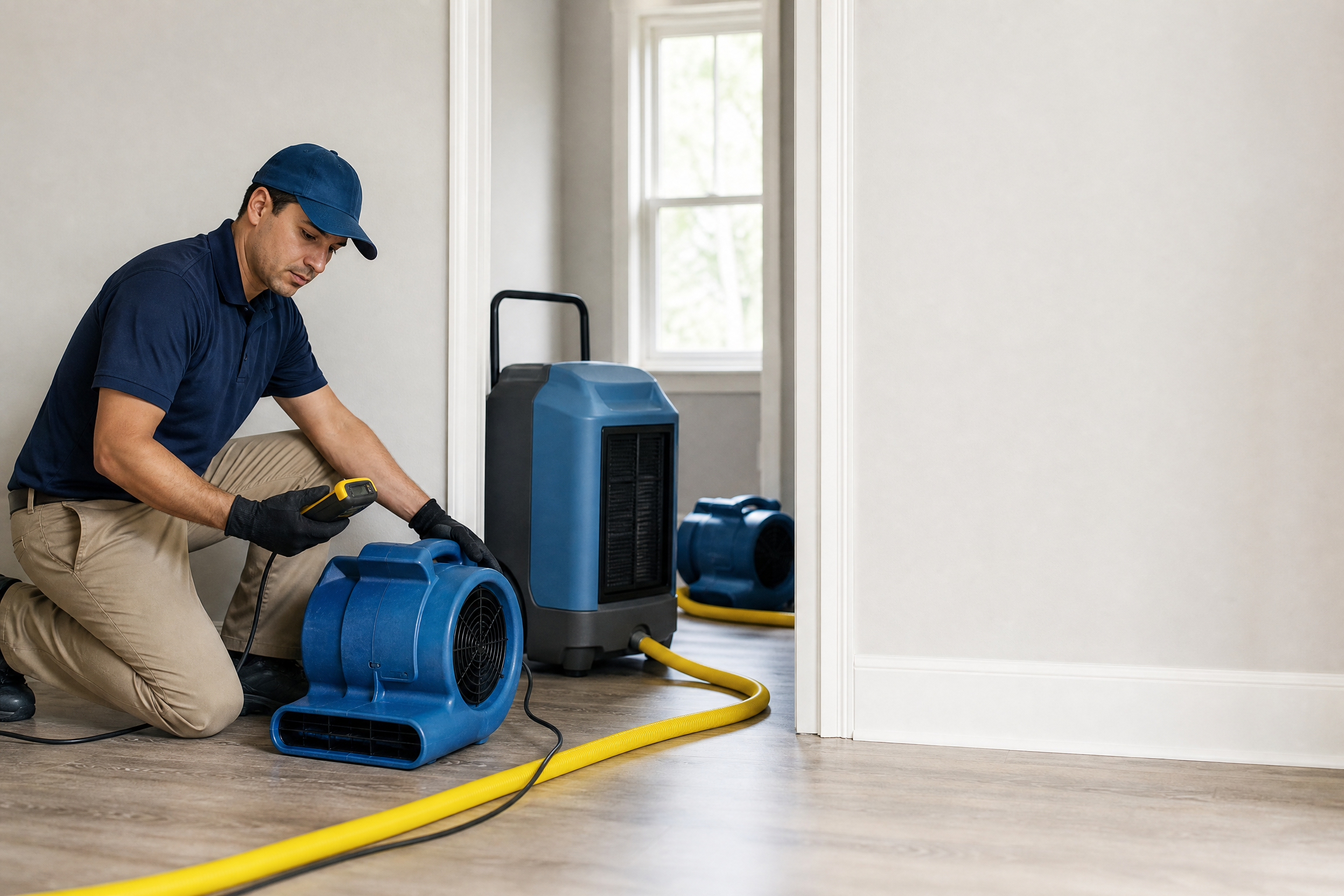
05Remediation and drying
Affected materials are cleaned, treated, or removed based on their condition and the project scope. We use professional drying equipment, monitor moisture levels, and HEPA-clean the work area so the space is ready for the next stage.
 06
06Repairs and documentation
Once the affected area is stable, reconstruction is coordinated as needed. We keep the project record organized, including the scope, readings, work completed, and relevant photos, so you have useful documentation for your files or your insurer.
 07
07Closeout
At the end of the project, we review the completed work with you, explain practical prevention steps, and answer remaining questions. When the situation warrants it, we can also arrange independent verification before the project is considered complete.
- IICRC-trained technicians
- Licensed and insured
- Written scope before work begins
- Residential and commercial
- Insurance documentation support
- Nationwide response network
Mold problem in Fresno? Get a free quote today.
Request a 100% free, no-obligation estimate. We assess your situation, guide you on immediate precautions, and provide a clear remediation plan.
FAQ
Mold Questions from Fresno Property Owners
Why do Fresno air conditioning systems frequently cause water leaks and mold?
Heavy summer AC operation produces gallons of condensate daily; when dust and algae clog the drain line, pans overflow into attics and wall cavities.
How does winter fog affect homes in the Tower District?
Weeks of stagnant, humid fog prevent damp crawlspaces and exterior walls from drying, allowing mold colonies to establish on subflooring and sill plates.
Do you service Clovis and surrounding Central Valley communities?
Yes, our coverage spans Clovis, Madera, Sanger, Selma, Kingsburg, Reedley, and Fresno.
Are mold spores harmful to residents with agricultural allergies?
Yes. Mold spores compound Central Valley airborne allergens, often exacerbating asthma and respiratory sensitivities in children and elderly residents.
What is the best way to prevent mold after an AC leak?
Immediately extract water, remove soaked drywall or insulation within 48 hours, and run industrial dehumidifiers until moisture readings reach baseline.