
Mold Removal & Remediation You Can Trust.
Professional mold inspection and removal for homes and businesses. We find the source, remove the mold, and help keep it from coming back.
Find mold at source
Safe & effective removal
Clean thoroughly
Prevent recurrence


15+
Years Experience
10K+
Homes & Businesses
Customer Rating
24/7
Emergency Service
What we do
Mold services for the source, the structure and the contents
Every scope starts with the water. Then we contain, remove, dry and verify.
 Source Mapping
Mold Inspection
Find the moisture source, not just the stain.
 Lab Verified
Mold Testing
Air and surface sampling when it changes the plan.
 IICRC Standard
Mold Remediation
Containment, removal, filtration, documentation.
 24/7 Rapid Dry
Water Damage Restoration
Extraction and structural drying before mold starts.
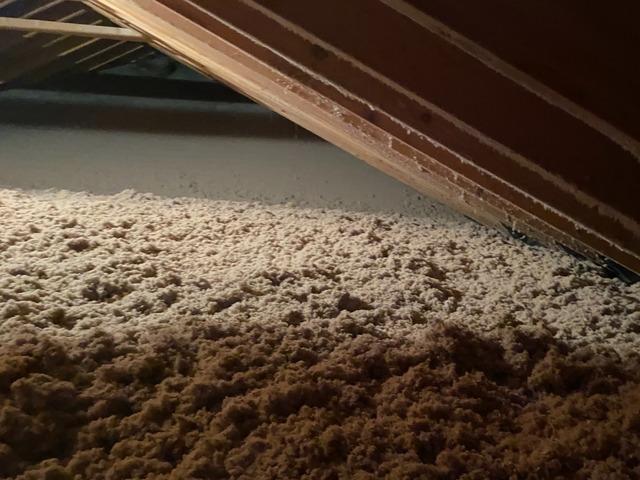 Air & Spores
Indoor Air Quality Testing
Understand what's circulating through the building.
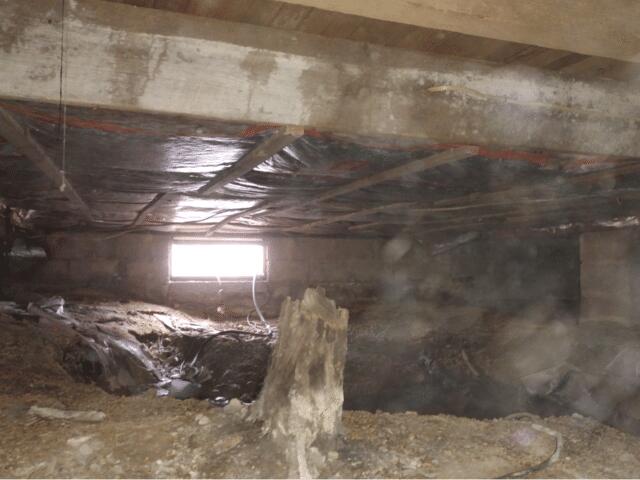 Subfloor & Attic
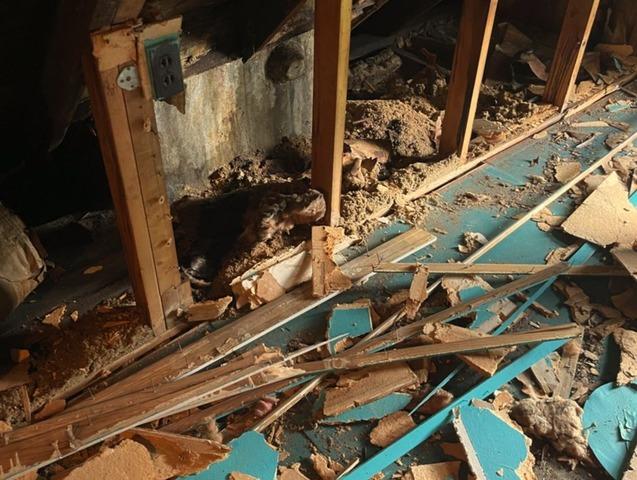
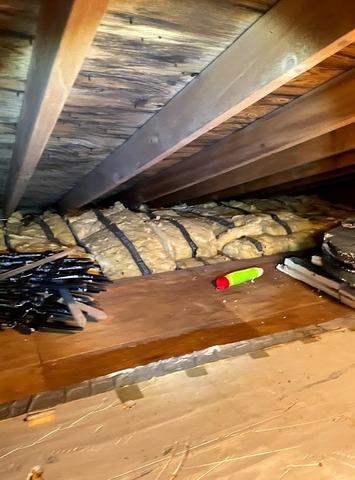
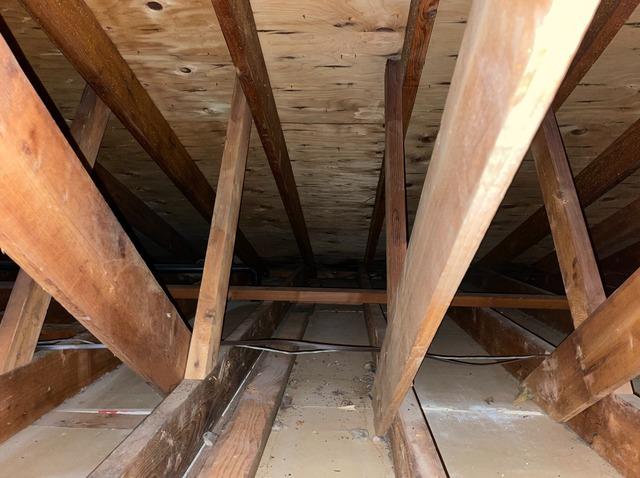
Attic, Crawlspace & Basement Mold
The three places moisture hides longest.
Warning signs
Signs that you have mold in your home
If you don’t check your attic or crawl space often, or if you don’t have visible mold on the interior of your home, here are some of the first warning signs that you may have a mold problem in your attic or crawl space:
Decaying or musty odor
A persistent earthy, damp, or sour smell in living areas, attics, or crawl spaces that doesn't clear.
Poor indoor air quality
Stale, heavy, or irritating indoor air that feels stuffy throughout the house.
Ongoing headaches
Frequent or unexplained head pressure and tension that noticeably eases when leaving home.
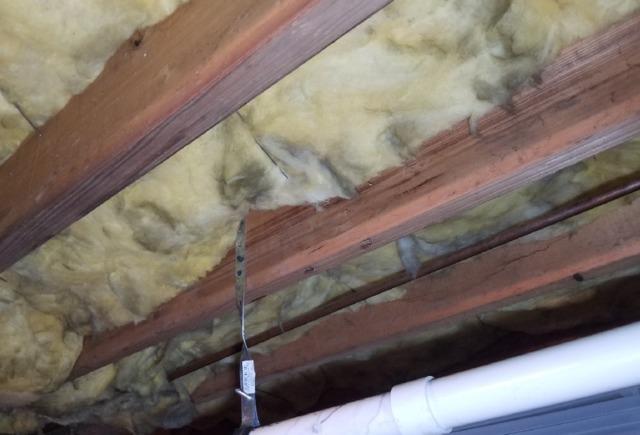
Wet or damaged insulation
Moist, matted, compressed, or discolored fiberglass/cellulose in the attic or crawl space.
Warped or buckled floorboards
Cupping, crowning, swelling, or spongy flooring caused by rising subfloor moisture.
Chronic allergies
Persistent sneezing, runny nose, congestion, or itchy watery eyes that flare indoors.
Worsening asthma
Increased coughing, wheezing, shortness of breath, or chest tightness when at home.
Direct Answer
What should I do if I discover mold?
Avoid disturbing the area, address the water source if it is safe to do so, keep children and pets away, and contact a qualified professional when the affected area is extensive, hidden, recurring, connected to HVAC, or caused by flooding or sewage.
- Do not blast household fans directly across mold colonies (prevents spore dispersion).
- Document visible moisture with photos before any emergency cleanup.
- Request negative-air containment if growth exceeds 10 contiguous sq ft.
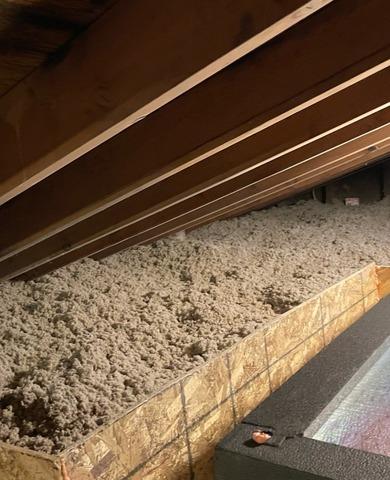
IICRC S520 Protocol
Full containment & negative pressure HEPA air scrubbers
7-Step Process
What happens after you contact us
Every project follows the same seven-step process, scaled to the size and urgency of the loss.
 01
01Triage call
When you contact us, we start by understanding the situation—not by making assumptions. We ask what happened, where the problem is located, whether water is still active, and whether the property is occupied. That helps us set the right priority, bring the appropriate equipment, and schedule the next step without unnecessary delay.
 02
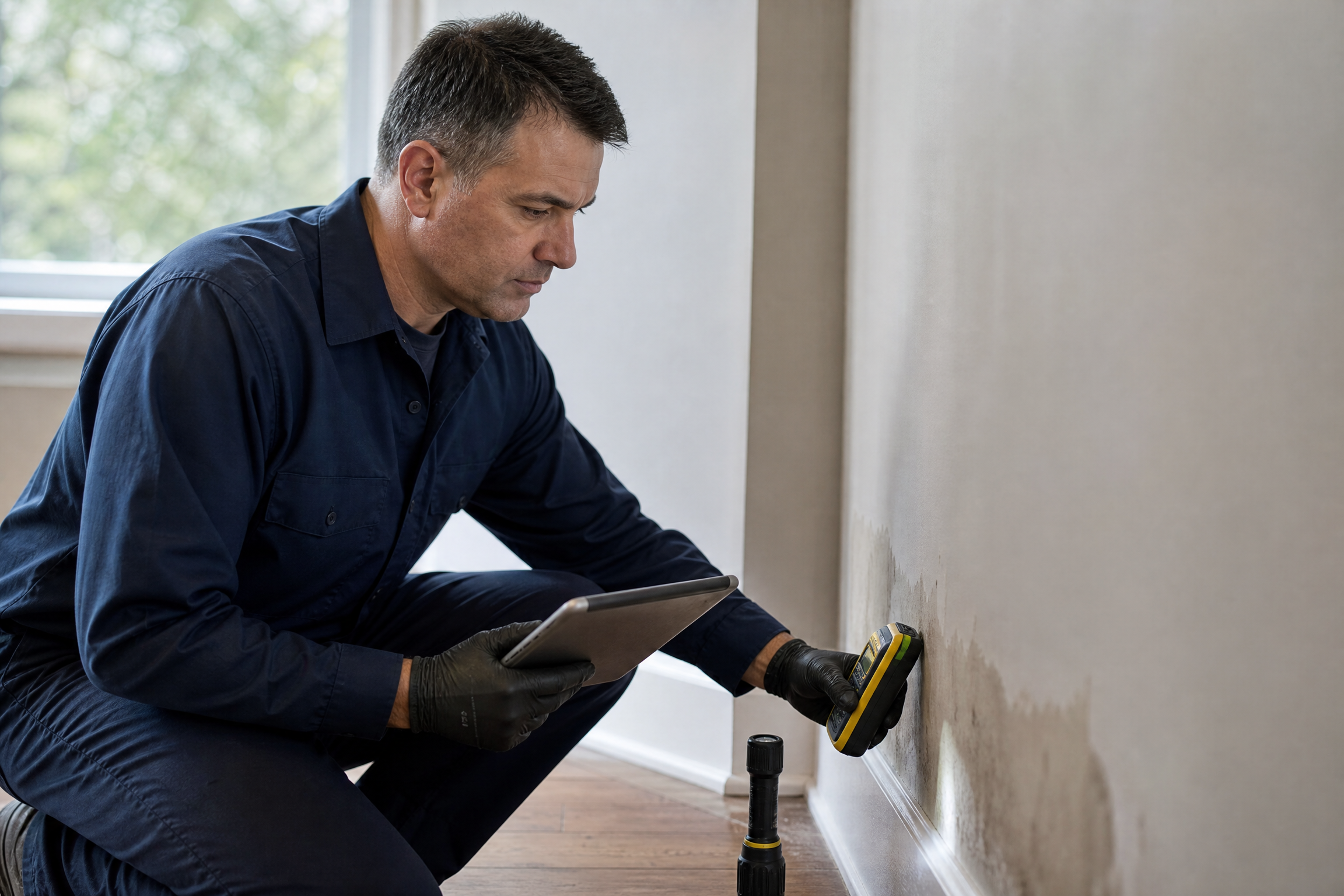
02Inspection and scope
We inspect the affected areas, take moisture readings, document visible conditions, identify impacted materials, and note access constraints. You receive a clear written scope so you can understand what needs attention before work begins.
 03
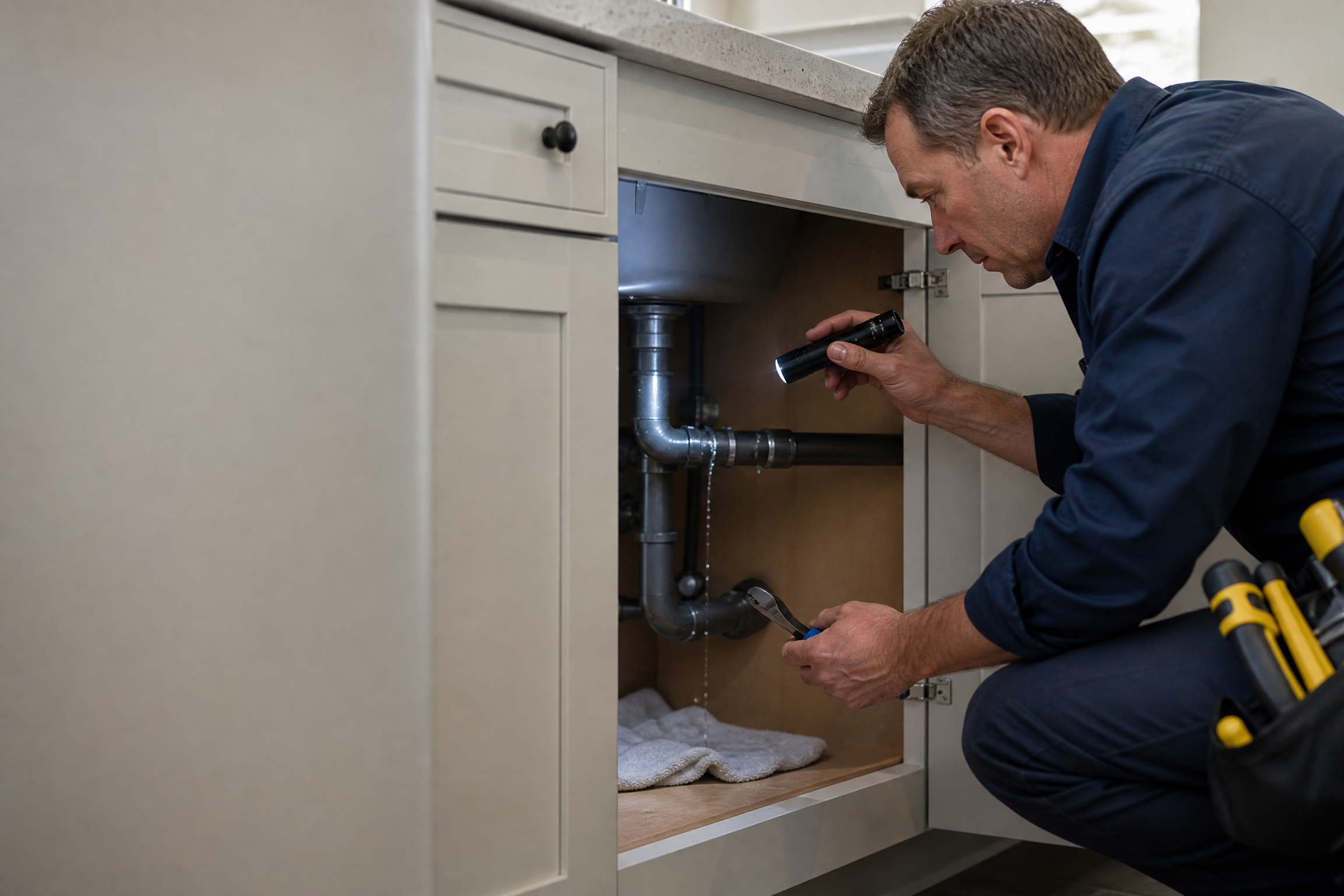
03Source correction
Cleaning up the visible damage is only part of the job. We look for the condition that allowed the problem to happen—such as a plumbing leak, excess humidity, drainage issue, or inadequate ventilation—and coordinate the correction needed to help prevent a repeat loss.
 04
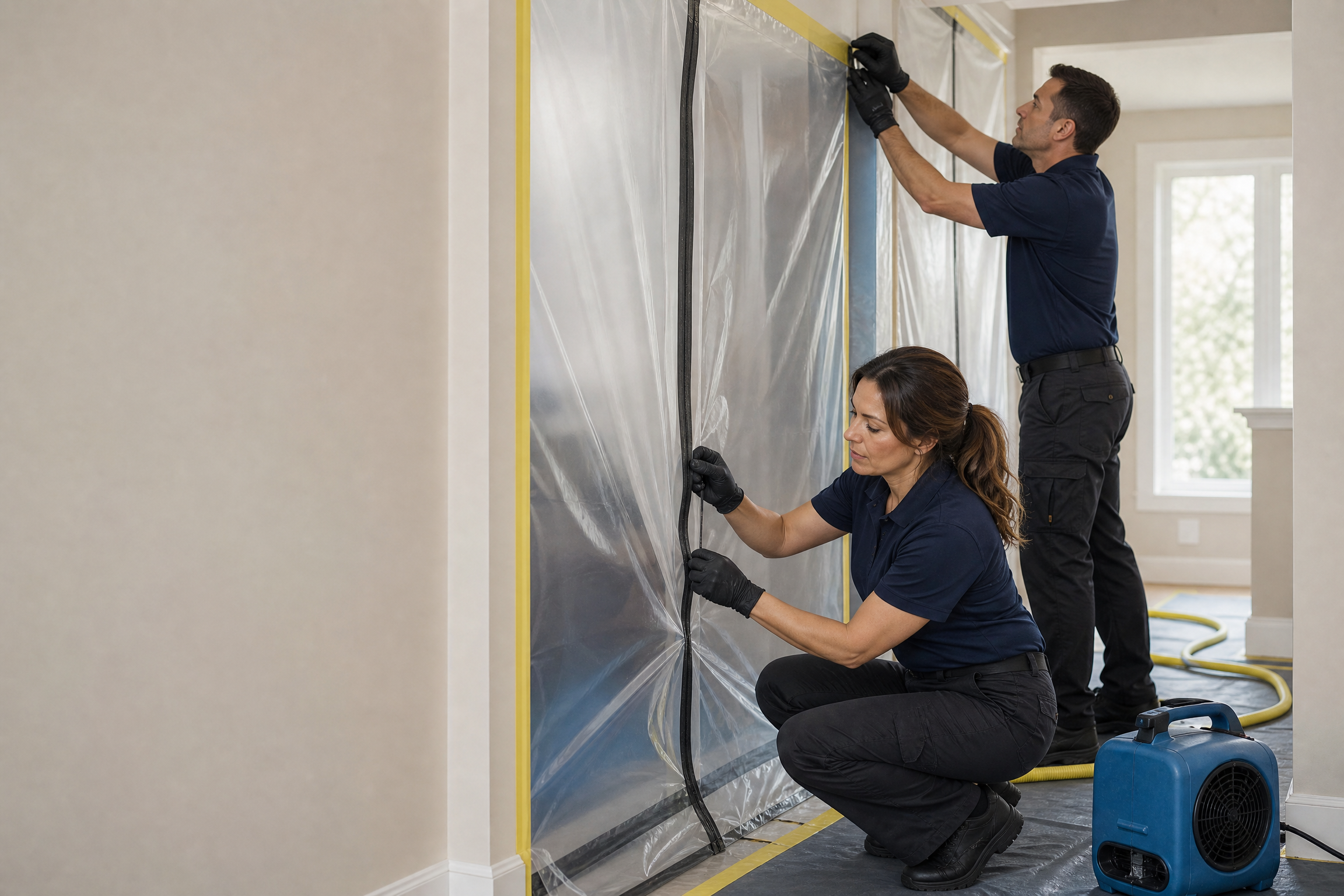
04Containment
Before remediation begins, we isolate the work area and protect the rest of the property. Depending on the situation, that may include barriers, air filtration, floor protection, contents protection, and careful separation between affected and unaffected spaces.
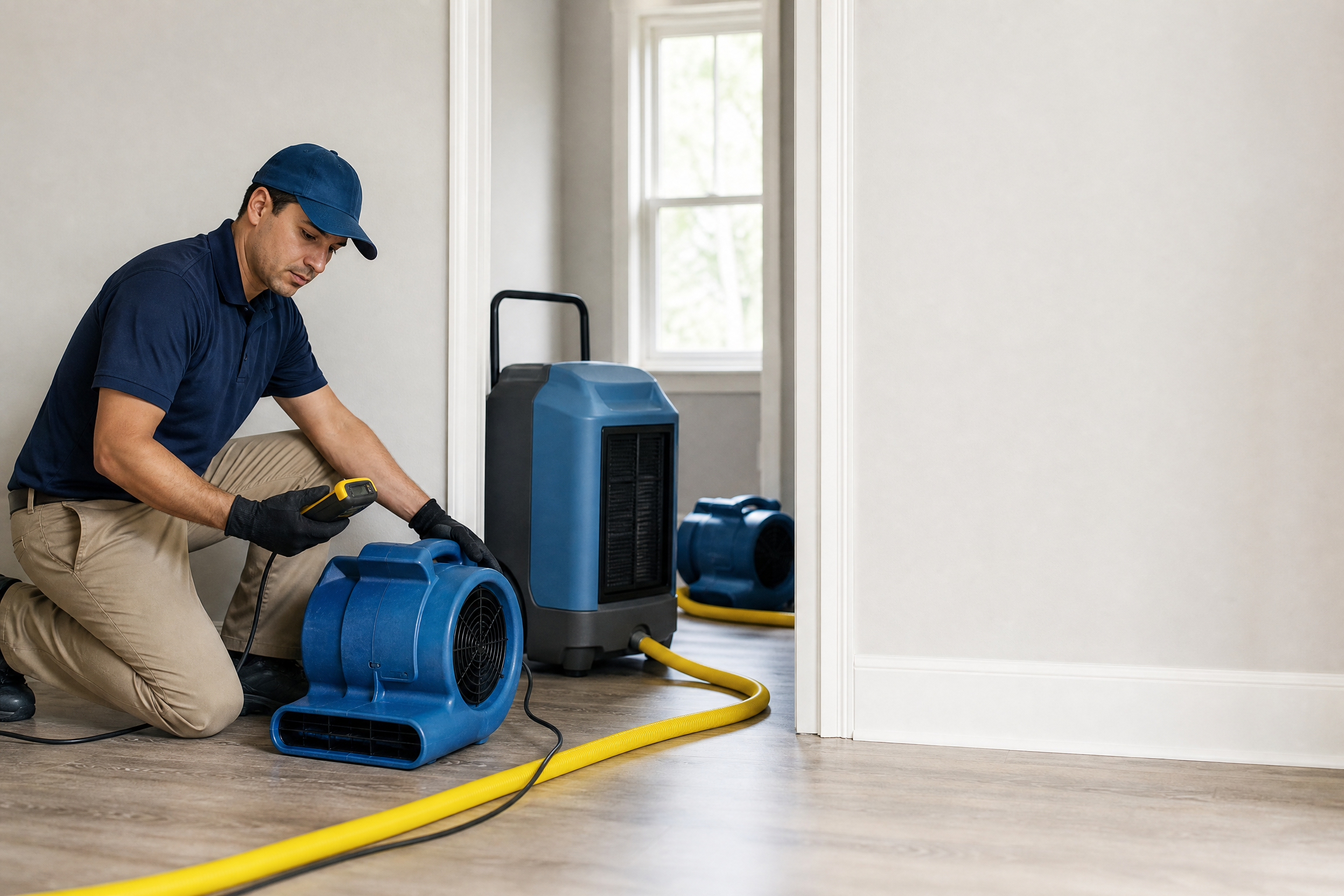 05
05Remediation and drying
Affected materials are cleaned, treated, or removed based on their condition and the project scope. We use professional drying equipment, monitor moisture levels, and HEPA-clean the work area so the space is ready for the next stage.
 06
06Repairs and documentation
Once the affected area is stable, reconstruction is coordinated as needed. We keep the project record organized, including the scope, readings, work completed, and relevant photos, so you have useful documentation for your files or your insurer.
 07
07Closeout
At the end of the project, we review the completed work with you, explain practical prevention steps, and answer remaining questions. When the situation warrants it, we can also arrange independent verification before the project is considered complete.
Water or mold problem right now?
Request a 100% free, no-obligation estimate. We assess your situation, guide you on immediate precautions, and provide a clear remediation plan.
Why us
Proof, not promises
- IICRC-trained technicians
- Licensed and insured
- Written scope before work begins
- Residential and commercial
- Insurance documentation support
- Nationwide response network
“A supply line let go behind our kitchen wall. They were out the same afternoon, contained the area, and the moisture log they left made the insurance claim painless.”
“Our condo board had been chasing a musty smell for a year. They found a chilled-water line sweating above the ceiling — the actual cause, not just the stain.”
“Basement mold after a sewer backup. Clear scope, clear pricing, and they explained exactly which materials had to go and why.”
“Attic mold from a bathroom fan venting into the insulation. Fixed the vent, treated the sheathing, and it hasn't come back.”
Service areas
Find mold removal near you
Fast local dispatch across top response hubs. Select your state or city to see local coverage, county details, and moisture standards.
Key City Hubs & Counties
Key City Hubs & Counties
Key City Hubs & Counties
Don't see your city listed?
We deploy mobile remediation teams throughout all 50 states.
FAQ
Common questions
How fast can someone get to my property?
Our team reviews inquiries 24/7 and we triage immediately. Dispatch timing depends on your location and crew availability, and we give you a realistic arrival window rather than promising an arrival time we cannot meet. Request a free quote online anytime.
What should I do before help arrives?
Avoid disturbing the area, stop the water source if it is safe to do so, keep children and pets away, and do not run fans across suspected growth. Take photos for your records.
Do I need mold testing?
Not always. If mold is visible, the practical priority is remediation and correcting the moisture source. Testing is useful when the source is hidden, the problem recurs, or independent verification of completed work is needed.
Will my insurance cover this?
Coverage depends on your policy and the cause of loss — a sudden burst pipe is treated very differently from long-term humidity. We document conditions, readings, scope and invoices so your adjuster has what they need, but we cannot decide a claim.
What affects the cost of remediation?
Affected square footage, material type, accessibility, containment needs, drying duration, contents handling, disposal and any reconstruction. We provide a written scope before work starts.