
Mold Removal & Remediation in Los Angeles, CA
24/7 emergency dispatch, certified moisture inspection, physical containment, and documented microbial remediation across Los Angeles and Los Angeles County. 100% free upfront estimates with insurance-ready scopes.
Active coverage in Hollywood, Silver Lake, Los Feliz, Echo Park, Westwood and surrounding Los Angeles County neighborhoods.
Why Los Angeles properties develop mold
Los Angeles has a reputation for dry weather that hides a real moisture problem. Winter atmospheric-river storms deliver most of the year's rain in a handful of intense events, and building assemblies designed around a dry climate — low-slope roofs, minimal flashing, unvented crawlspaces, single-pane windows — take on water quickly during them.
Coastal fog and marine-layer humidity in Venice, Santa Monica and the South Bay keep unconditioned spaces damp for much of the year. Crawlspaces beneath 1920s-1950s bungalows in Silver Lake, Los Feliz and Mar Vista frequently show floor-framing growth driven by ground moisture and blocked vents rather than by any leak at all.
Multifamily buildings dominate the remediation caseload. Dingbat apartments, courtyard buildings and mid-century stucco walk-ups across Hollywood, Koreatown and the Valley combine aging galvanized plumbing, shared stacks and stucco that traps water behind it once flashing fails.
Hillside properties add drainage and retaining-wall moisture issues. In every case, our sequence stays the same: locate the water, contain, remove, dry to documented targets, and correct the source.
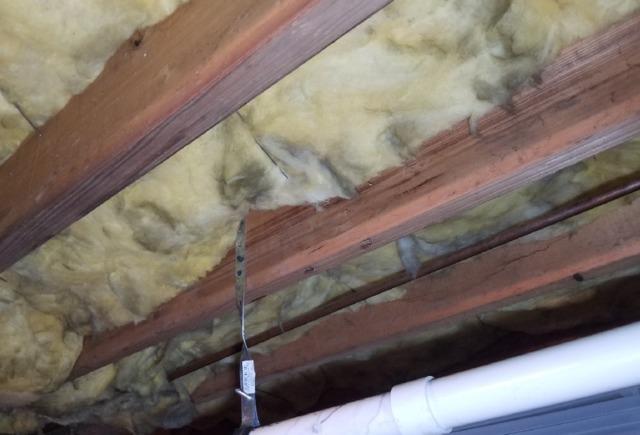
Moisture Mapping & Thermal Imaging
We track humidity gradients and pinpoint wet insulation, slab leaks, masonry efflorescence, or envelope condensation unique to Los Angeles's microclimate in Los Angeles County.
Specialized Capabilities
Remediation Services Available in Los Angeles
Comprehensive environmental containment, fungal sanitization, and structural drying tailored to Los Angeles's architecture.
Source MappingMold Inspection in Los Angeles
Find the moisture source, not just the stain.
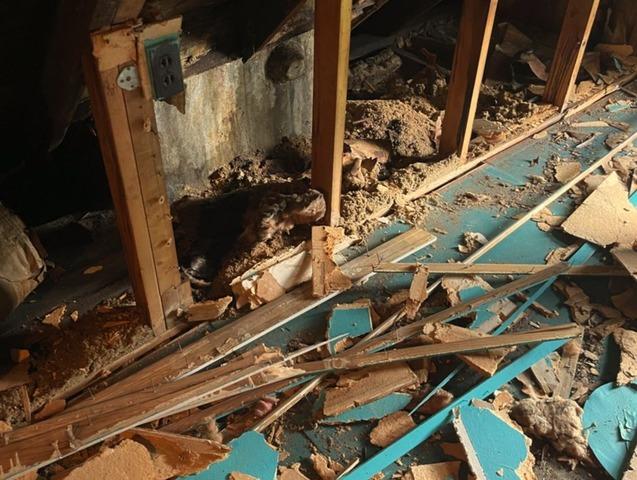 Lab Verified
Mold Testing in Los Angeles
Air and surface sampling when it changes the plan.
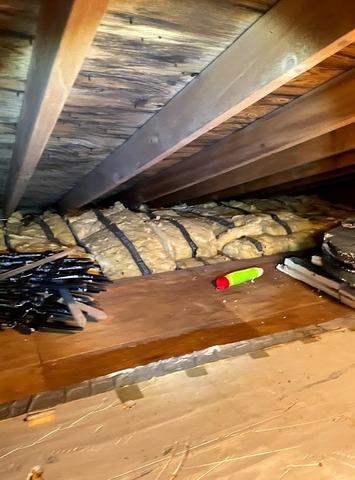 IICRC Standard
Mold Remediation in Los Angeles
Containment, removal, filtration, documentation.
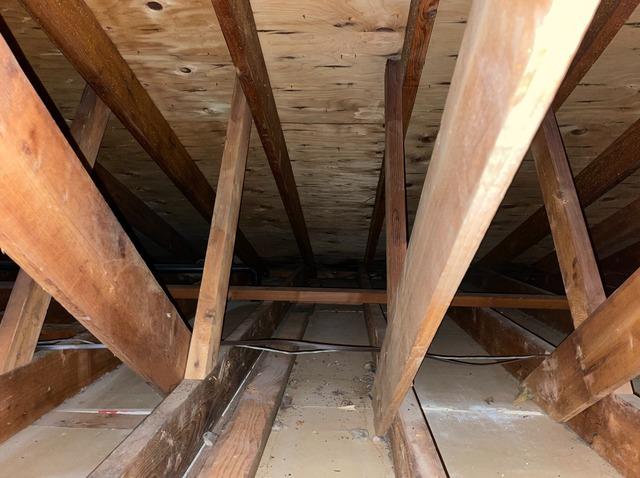 24/7 Rapid Dry
Water Damage Restoration in Los Angeles
Extraction and structural drying before mold starts.
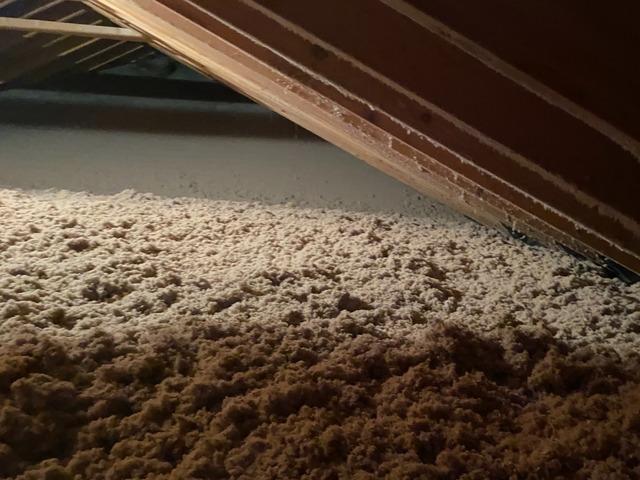 Air & Spores
Indoor Air Quality Testing in Los Angeles
Understand what's circulating through the building.
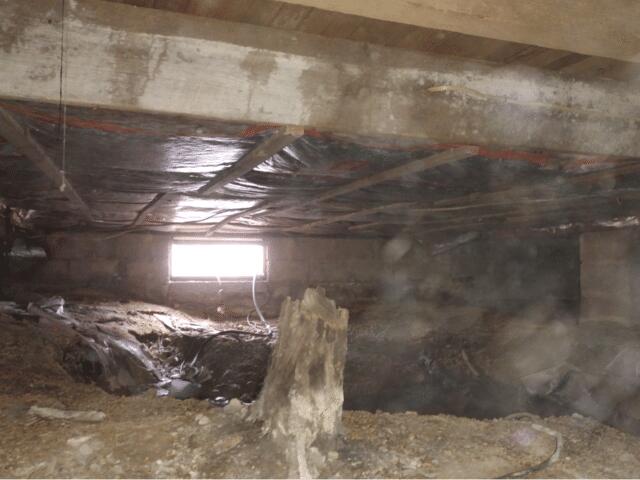 Subfloor & Attic
Attic, Crawlspace & Basement Mold in Los Angeles
The three places moisture hides longest.
7-Step Standard
How a Los Angeles Project Runs
Every project follows the same disciplined standard of care, scaled to the size and urgency of the loss.
 01
01Triage call
When you contact us, we start by understanding the situation—not by making assumptions. We ask what happened, where the problem is located, whether water is still active, and whether the property is occupied. That helps us set the right priority, bring the appropriate equipment, and schedule the next step without unnecessary delay.
 02
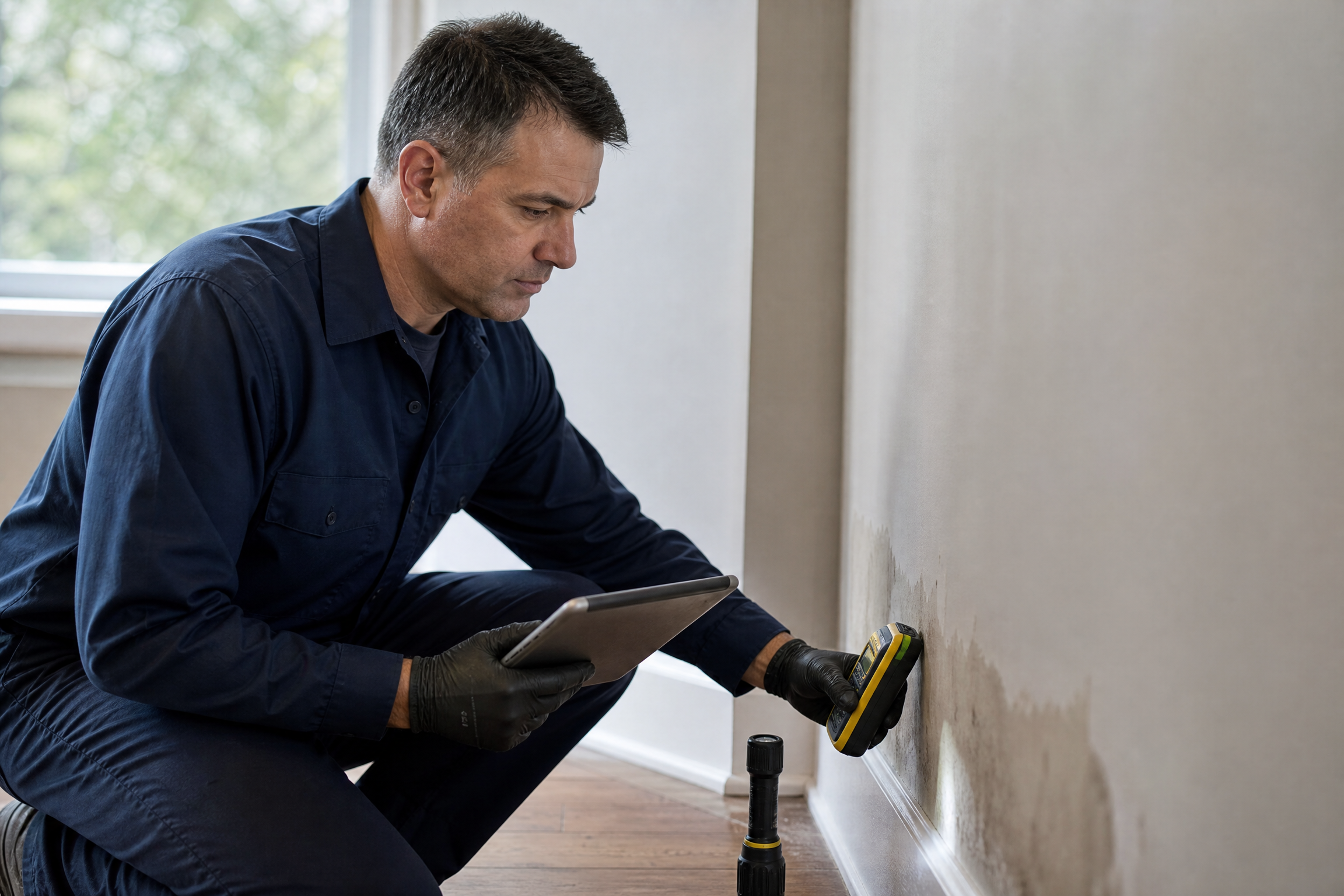
02Inspection and scope
We inspect the affected areas, take moisture readings, document visible conditions, identify impacted materials, and note access constraints. You receive a clear written scope so you can understand what needs attention before work begins.
 03
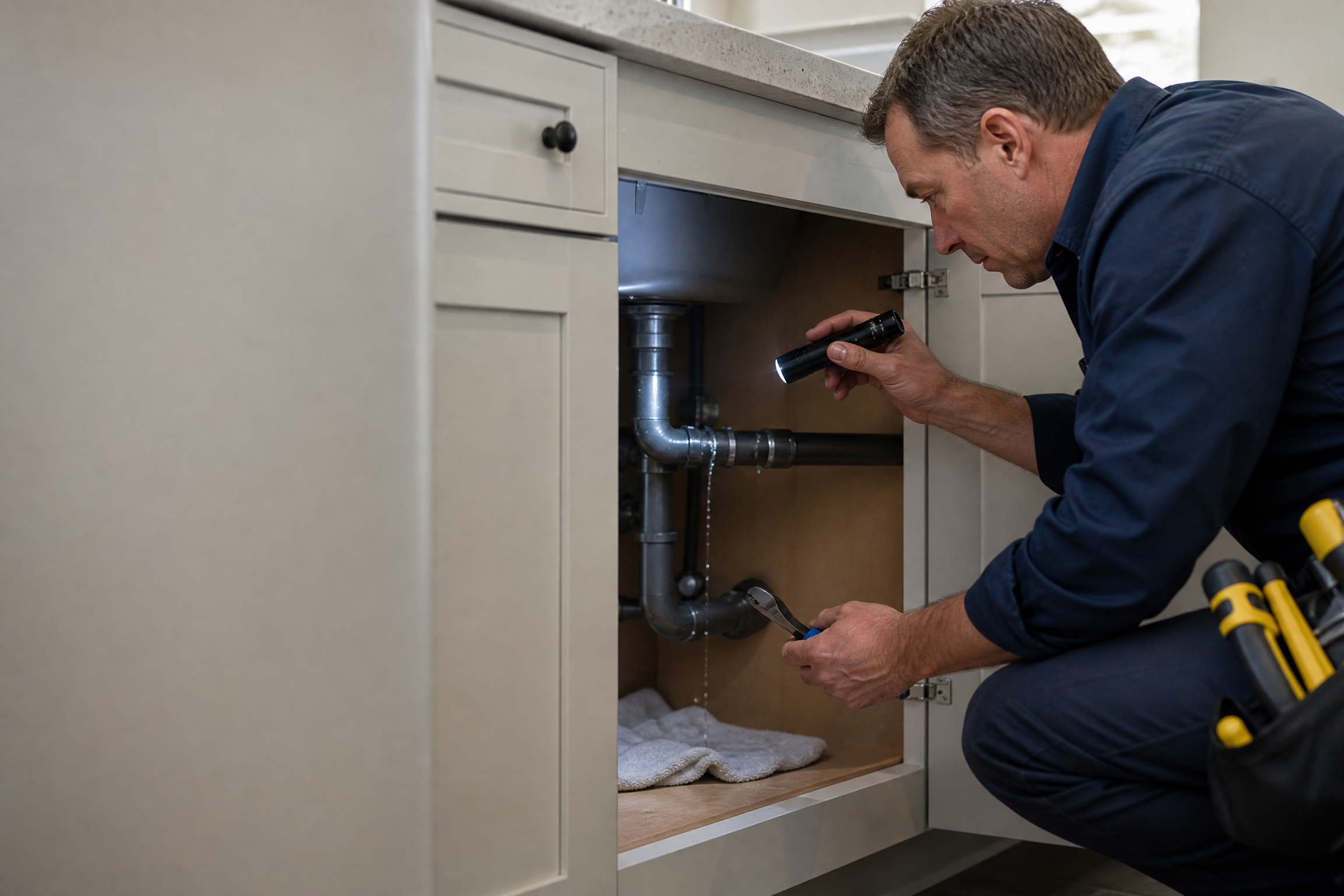
03Source correction
Cleaning up the visible damage is only part of the job. We look for the condition that allowed the problem to happen—such as a plumbing leak, excess humidity, drainage issue, or inadequate ventilation—and coordinate the correction needed to help prevent a repeat loss.
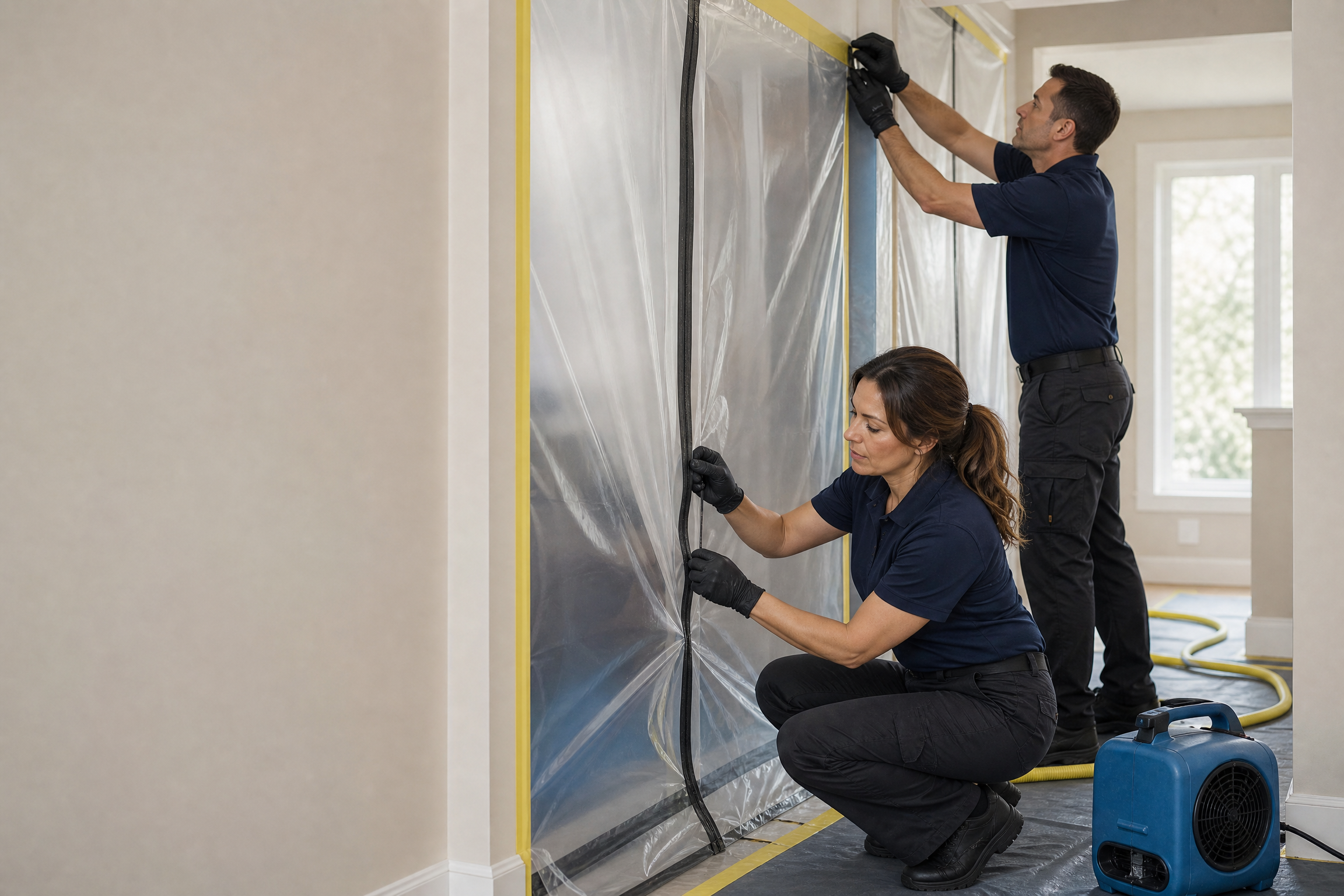 04
04Containment
Before remediation begins, we isolate the work area and protect the rest of the property. Depending on the situation, that may include barriers, air filtration, floor protection, contents protection, and careful separation between affected and unaffected spaces.
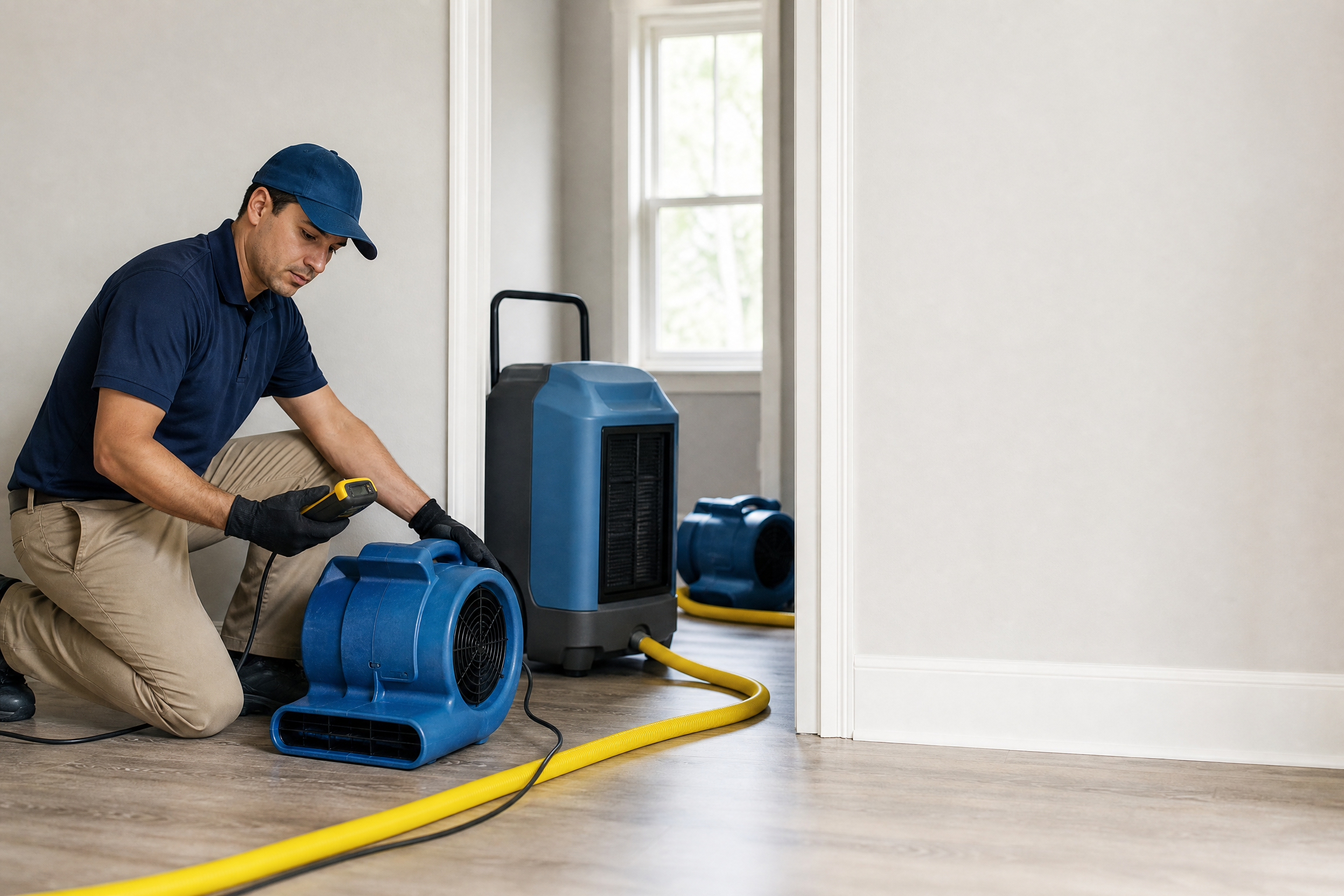 05
05Remediation and drying
Affected materials are cleaned, treated, or removed based on their condition and the project scope. We use professional drying equipment, monitor moisture levels, and HEPA-clean the work area so the space is ready for the next stage.
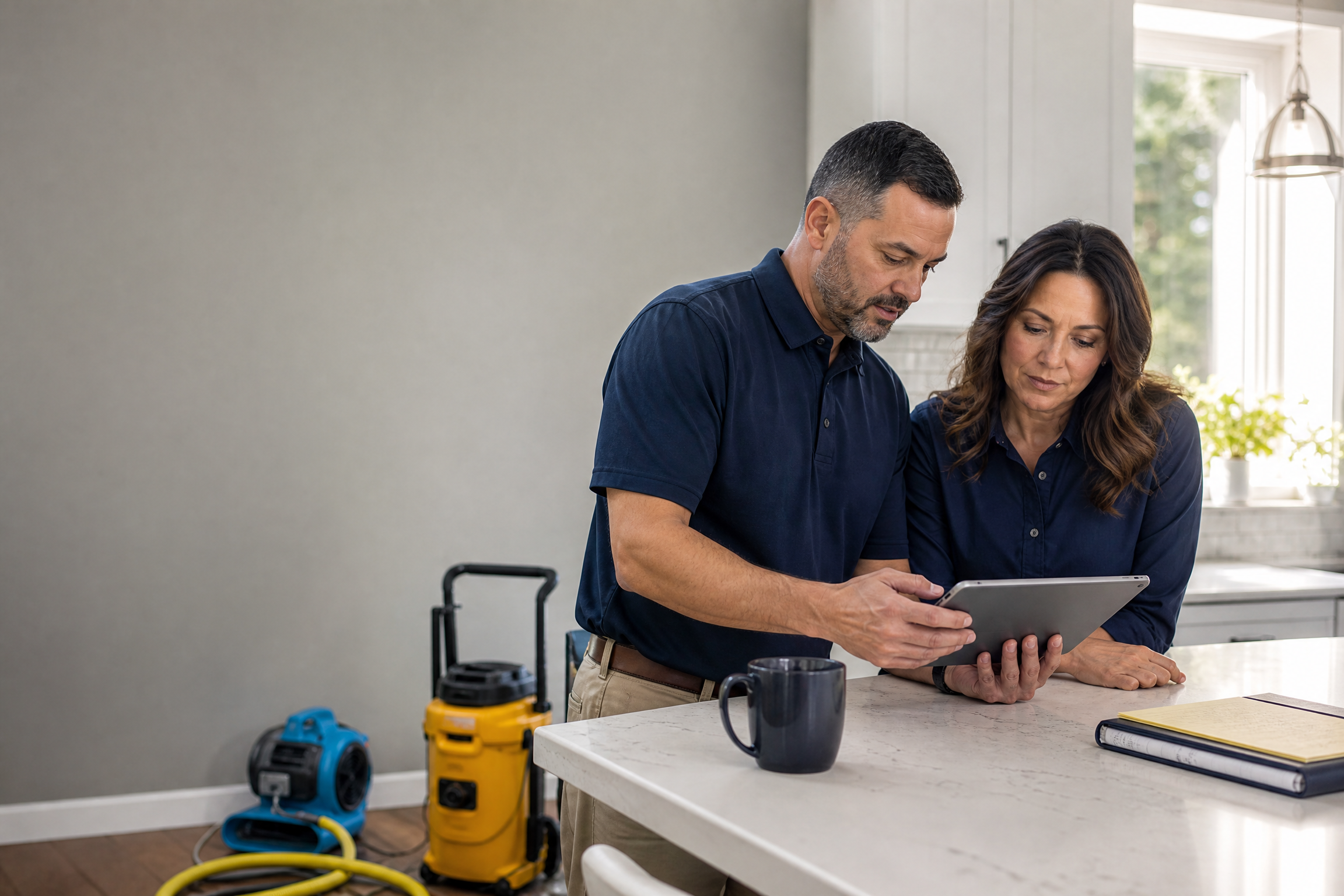 06
06Repairs and documentation
Once the affected area is stable, reconstruction is coordinated as needed. We keep the project record organized, including the scope, readings, work completed, and relevant photos, so you have useful documentation for your files or your insurer.
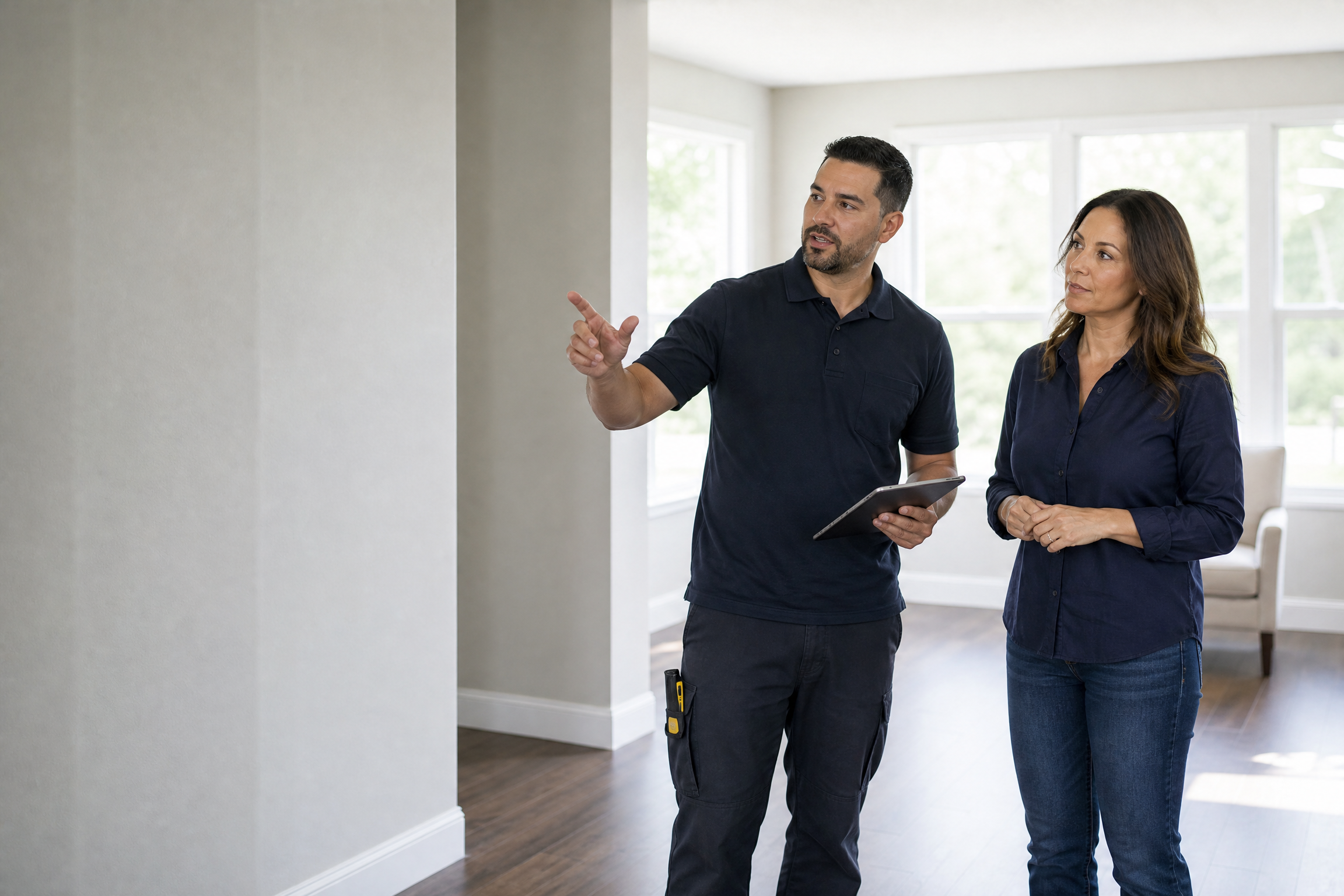 07
07Closeout
At the end of the project, we review the completed work with you, explain practical prevention steps, and answer remaining questions. When the situation warrants it, we can also arrange independent verification before the project is considered complete.
- IICRC-trained technicians
- Licensed and insured
- Written scope before work begins
- Residential and commercial
- Insurance documentation support
- Nationwide response network
Mold problem in Los Angeles? Get a free quote today.
Request a 100% free, no-obligation estimate. We assess your situation, guide you on immediate precautions, and provide a clear remediation plan.
FAQ
Mold Questions from Los Angeles Property Owners
It barely rains here — why do I have mold?
Marine-layer humidity, crawlspace ground moisture, plumbing leaks and a few very intense winter storms account for most Los Angeles mold. Rainfall totals matter less than how the building handles the rain it gets.
Do you work in occupied apartment buildings?
Yes, with containment, negative air filtration and protected access routes, coordinated with owners or property managers.
Is stucco mold a real problem?
Water that gets behind stucco has very few ways out. Once flashing or window-perimeter sealing fails, sheathing and framing can stay wet for months with no exterior sign.
Can crawlspace mold affect the living space above?
It can, because air moves upward through floor penetrations. Treatment usually pairs cleaning with vapor barrier installation, drainage correction and ventilation improvements.
Which parts of the region do you serve?
Los Angeles and Orange County, including Pasadena, Glendale, Burbank, Long Beach, Torrance, Santa Monica, Culver City, Anaheim, Santa Ana, Costa Mesa, Huntington Beach and Irvine.