Mold Removal & Remediation in Yonkers, NY
24/7 emergency dispatch, certified moisture inspection, physical containment, and documented microbial remediation across Yonkers and Westchester County. 100% free upfront estimates with insurance-ready scopes.
Active coverage in Downtown Waterfront, Ludlow Park, Park Hill, Crestwood, Northwest Yonkers and surrounding Westchester County neighborhoods.
Why Yonkers properties develop mold
Yonkers sits along the steep bluffs overlooking the Hudson River in Westchester County, presenting unique topographical and moisture dynamics. Hillside runoff during heavy storms puts extreme hydrostatic pressure against foundation retaining walls and garden apartments.
The city features a diverse mix of grand pre-war co-op buildings along the riverfront, historic Victorian estates in Park Hill, and dense mid-century multi-family complexes. Aging cast-iron drain stacks, plumbing risers, and terrace drains in co-op buildings are frequent sources of hidden cavity leaks.
Moisture infiltrating between apartment party walls can spread undetected across floor joists until musty odors or buckling hardwood floors reveal deep-seated microbial growth.
We provide Yonkers and southern Westchester County with rapid emergency water mitigation, board-compliant co-op remediation, and certified indoor air decontamination.
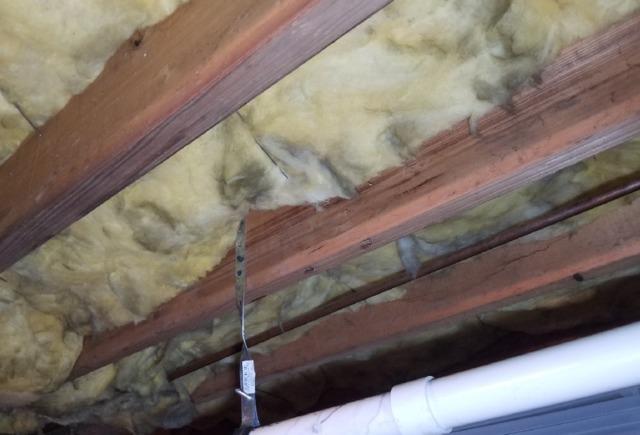
Moisture Mapping & Thermal Imaging
We track humidity gradients and pinpoint wet insulation, slab leaks, masonry efflorescence, or envelope condensation unique to Yonkers's microclimate in Westchester County.
Specialized Capabilities
Remediation Services Available in Yonkers
Comprehensive environmental containment, fungal sanitization, and structural drying tailored to Yonkers's architecture.
Source MappingMold Inspection in Yonkers
Find the moisture source, not just the stain.
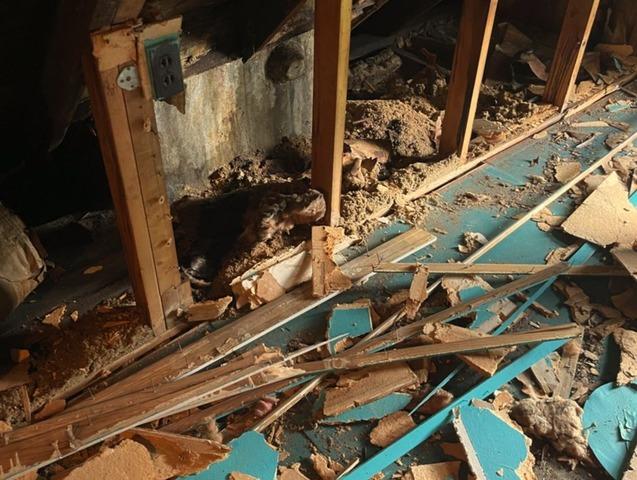 Lab Verified
Mold Testing in Yonkers
Air and surface sampling when it changes the plan.
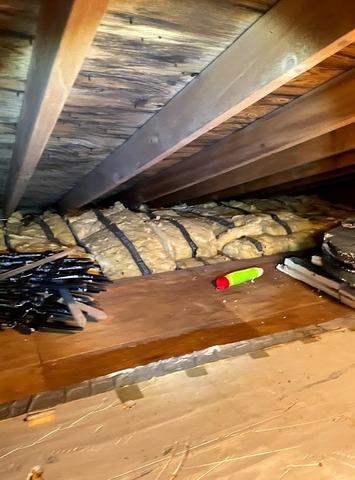 IICRC Standard
Mold Remediation in Yonkers
Containment, removal, filtration, documentation.
 24/7 Rapid Dry
Water Damage Restoration in Yonkers
Extraction and structural drying before mold starts.
 Air & Spores
Indoor Air Quality Testing in Yonkers
Understand what's circulating through the building.
 Subfloor & Attic
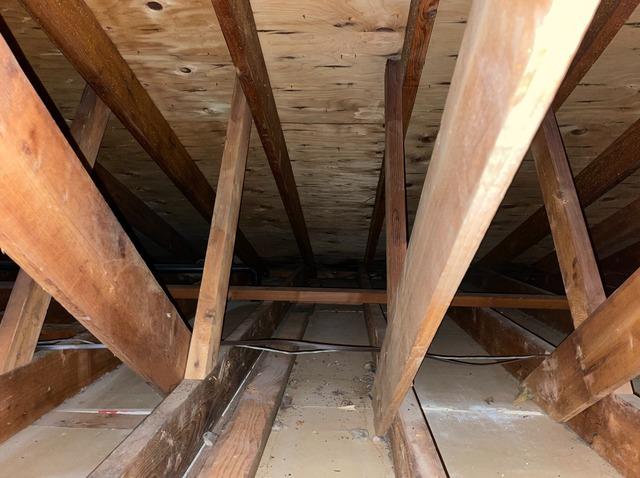
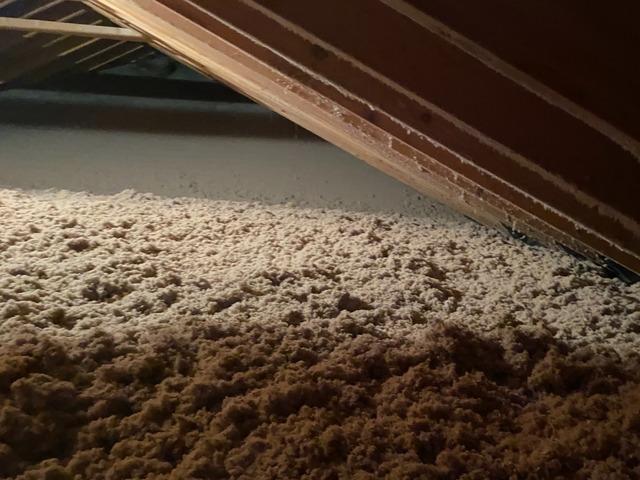
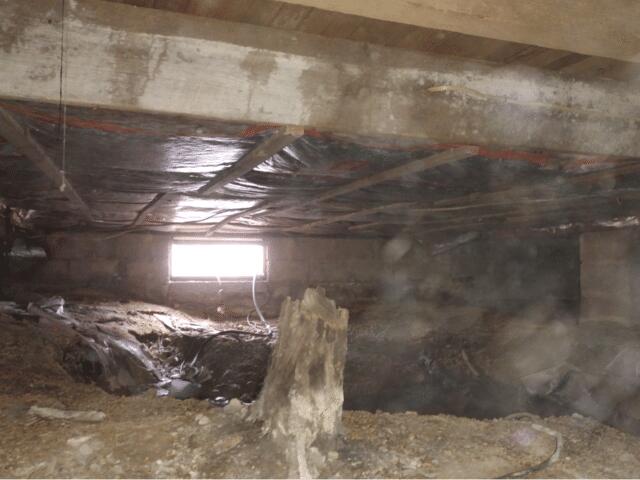
Attic, Crawlspace & Basement Mold in Yonkers
The three places moisture hides longest.
7-Step Standard
How a Yonkers Project Runs
Every project follows the same disciplined standard of care, scaled to the size and urgency of the loss.
 01
01Triage call
When you contact us, we start by understanding the situation—not by making assumptions. We ask what happened, where the problem is located, whether water is still active, and whether the property is occupied. That helps us set the right priority, bring the appropriate equipment, and schedule the next step without unnecessary delay.
 02
02Inspection and scope
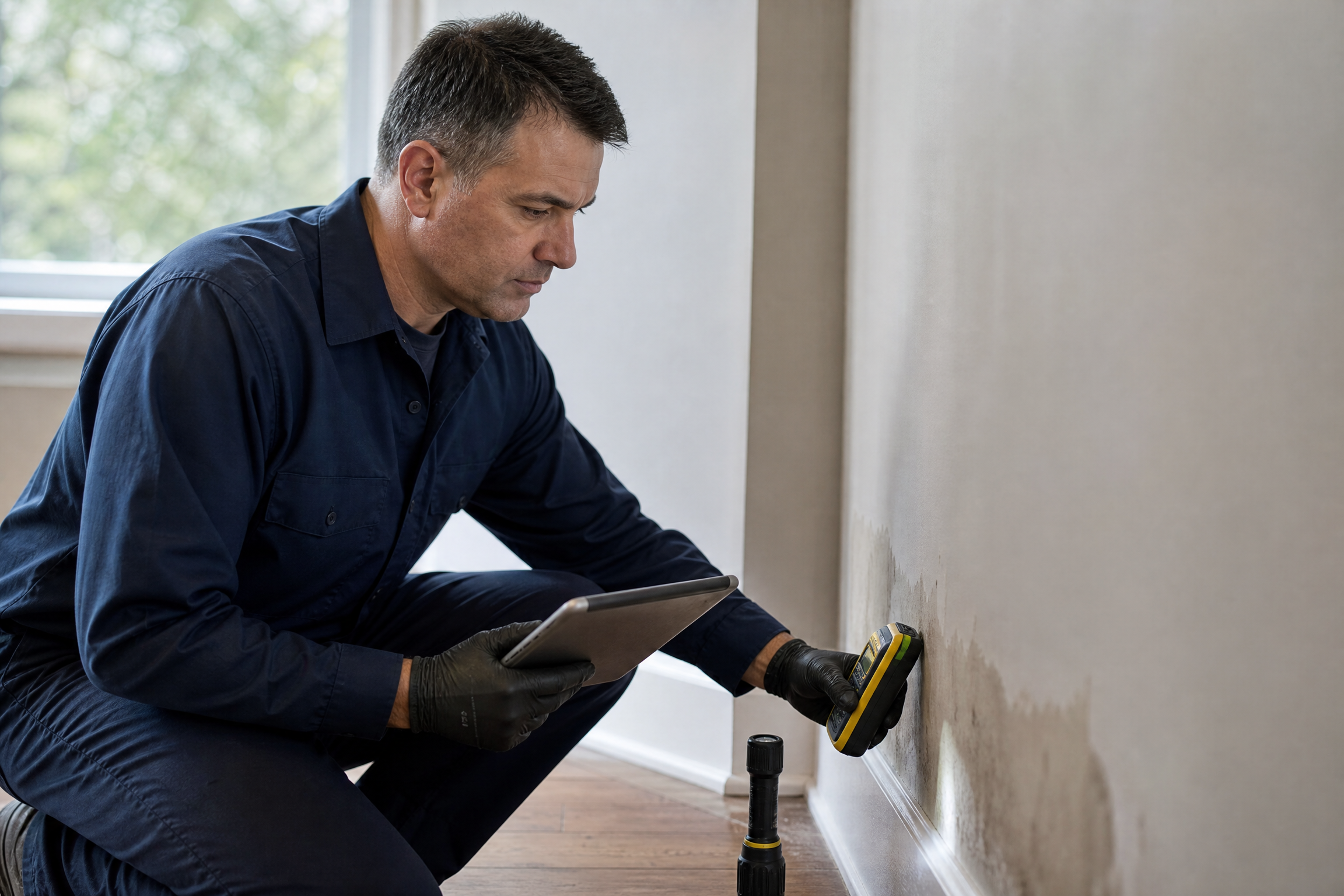
We inspect the affected areas, take moisture readings, document visible conditions, identify impacted materials, and note access constraints. You receive a clear written scope so you can understand what needs attention before work begins.
 03
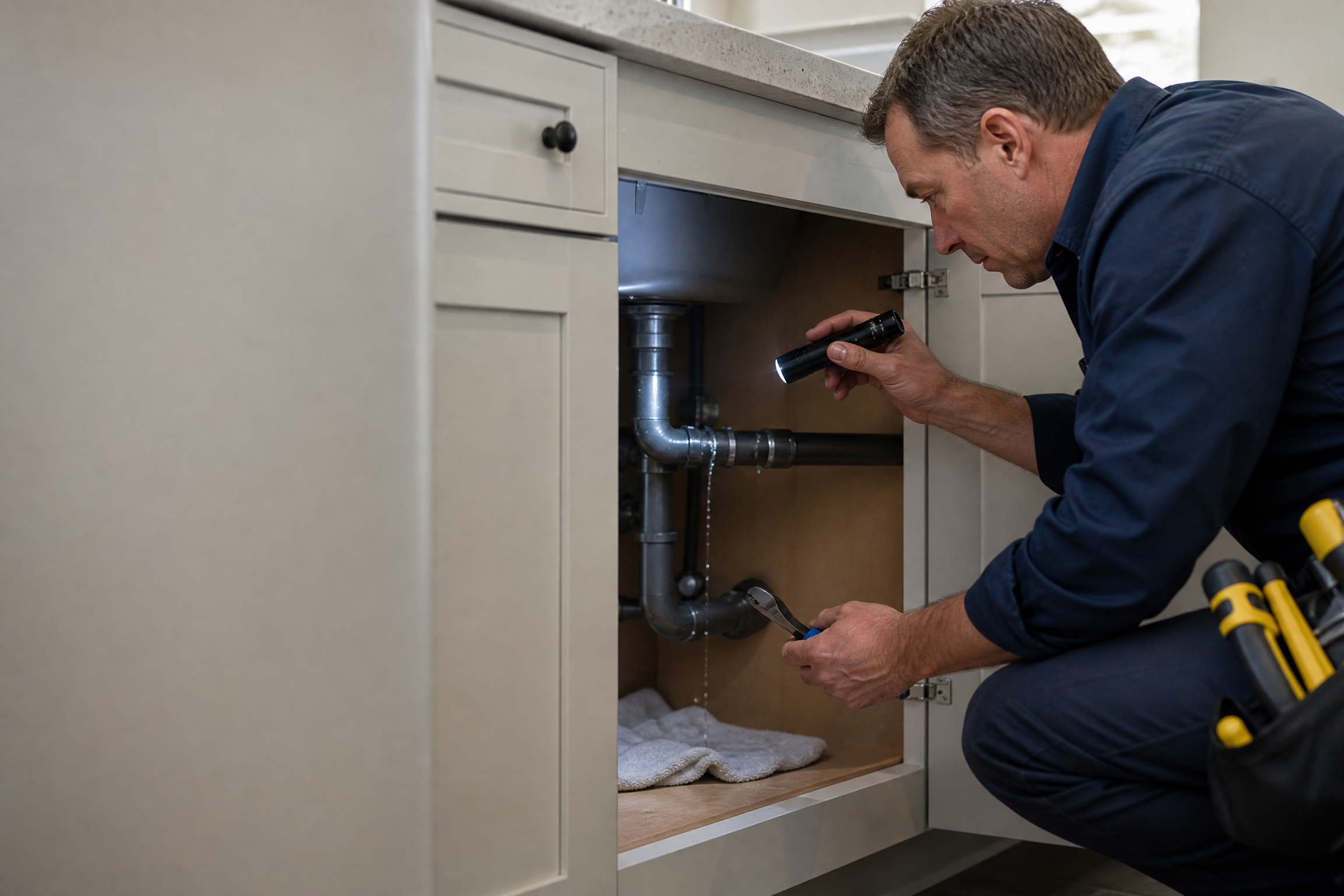
03Source correction
Cleaning up the visible damage is only part of the job. We look for the condition that allowed the problem to happen—such as a plumbing leak, excess humidity, drainage issue, or inadequate ventilation—and coordinate the correction needed to help prevent a repeat loss.
 04
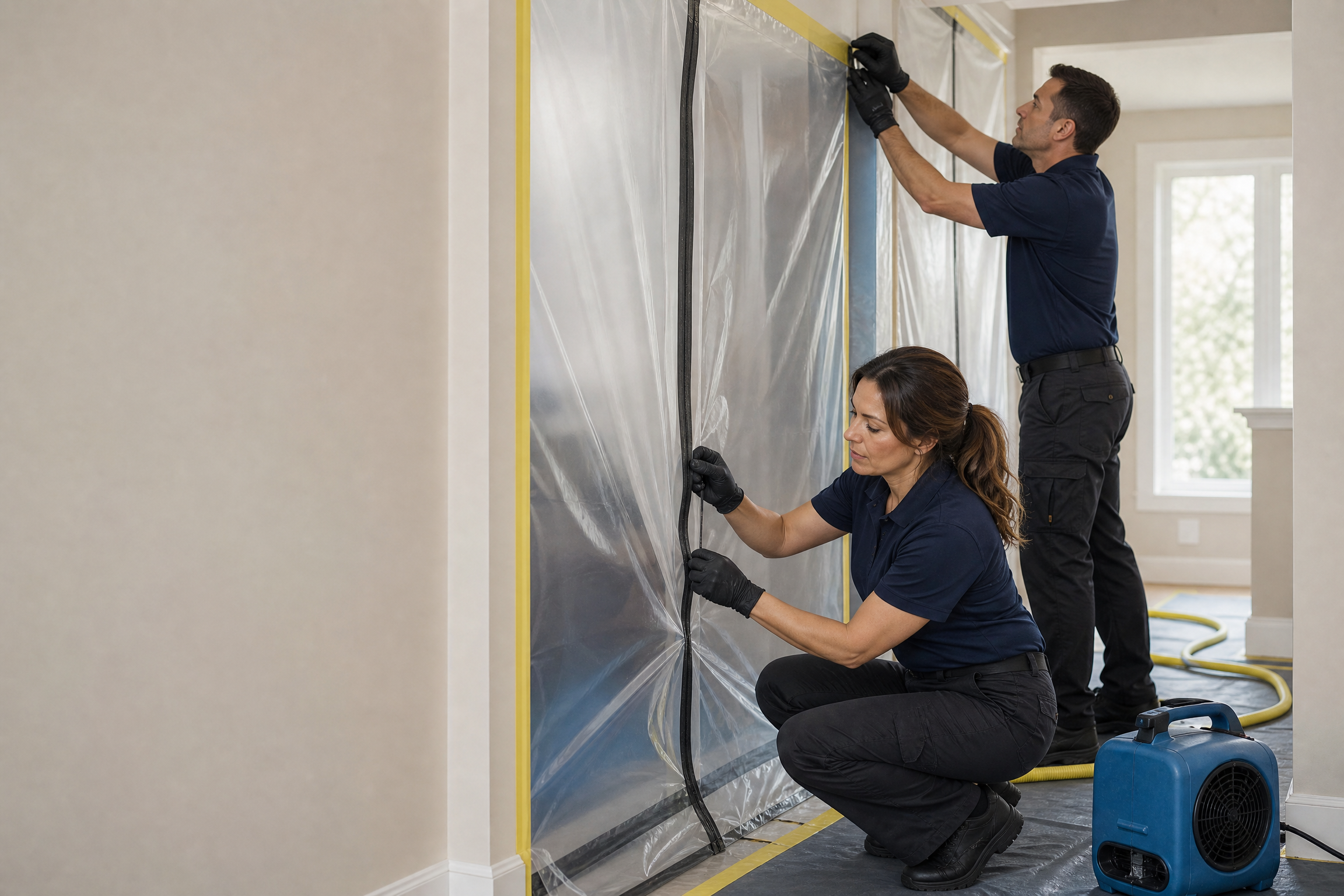
04Containment
Before remediation begins, we isolate the work area and protect the rest of the property. Depending on the situation, that may include barriers, air filtration, floor protection, contents protection, and careful separation between affected and unaffected spaces.
 05
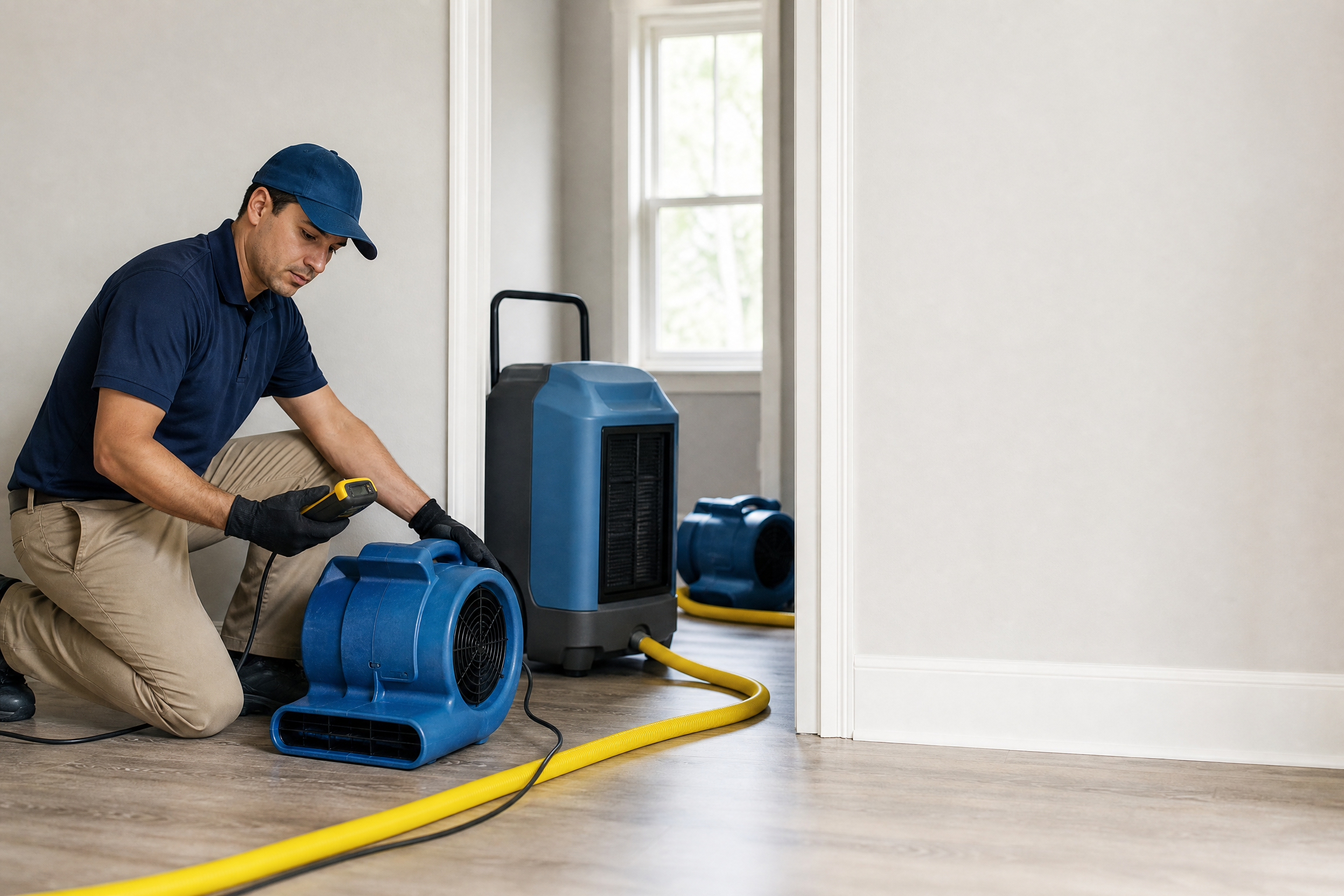
05Remediation and drying
Affected materials are cleaned, treated, or removed based on their condition and the project scope. We use professional drying equipment, monitor moisture levels, and HEPA-clean the work area so the space is ready for the next stage.
 06
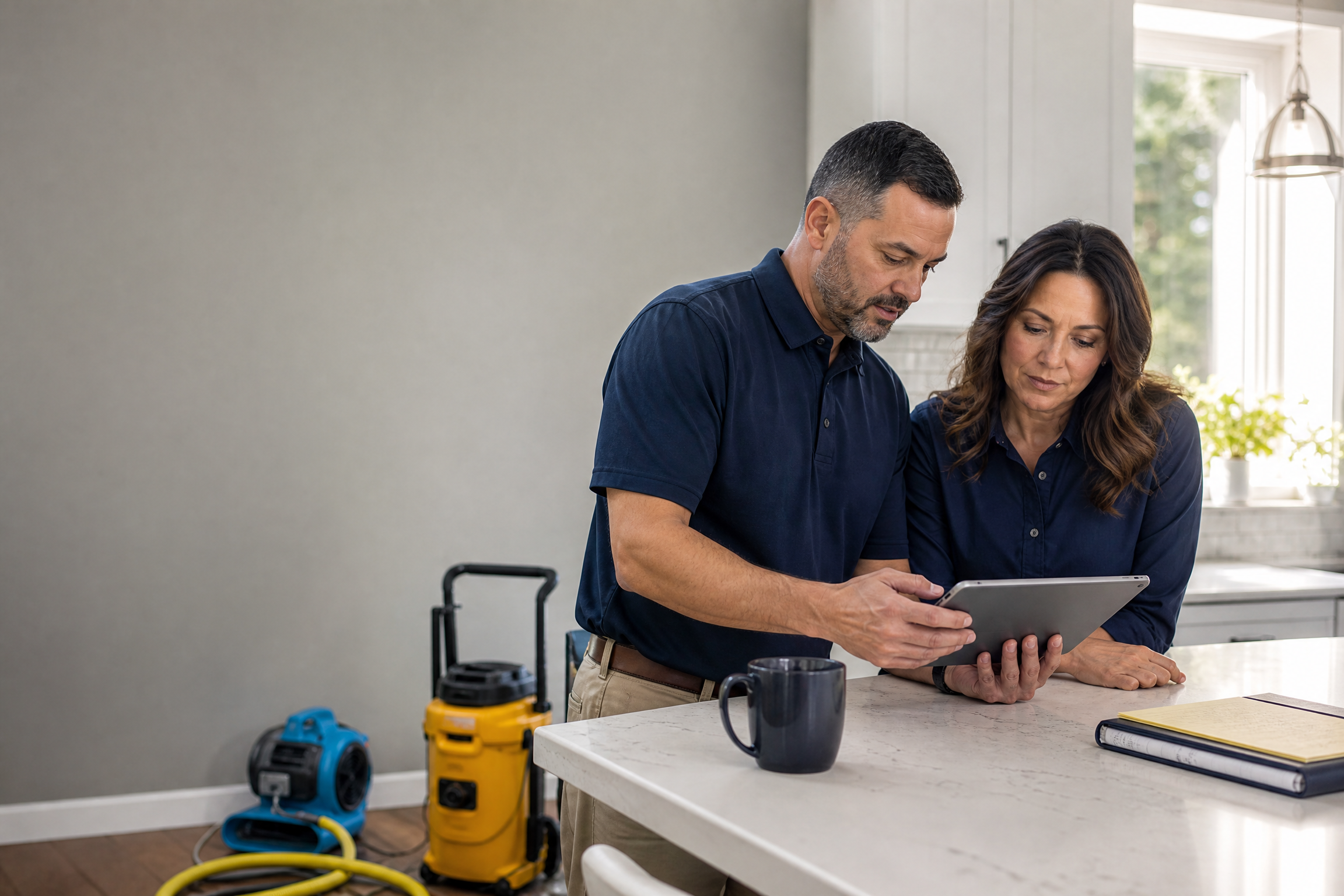
06Repairs and documentation
Once the affected area is stable, reconstruction is coordinated as needed. We keep the project record organized, including the scope, readings, work completed, and relevant photos, so you have useful documentation for your files or your insurer.
 07
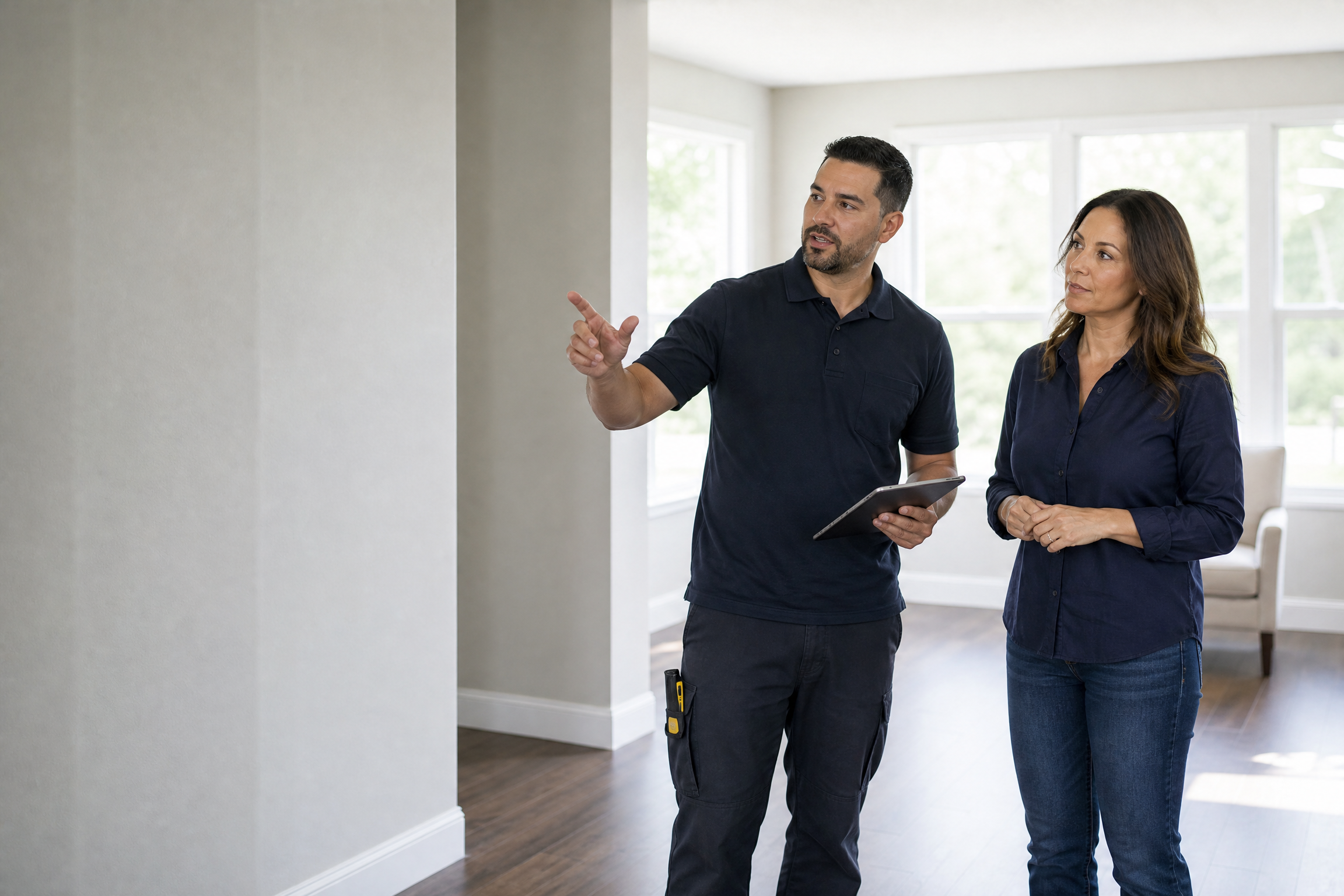
07Closeout
At the end of the project, we review the completed work with you, explain practical prevention steps, and answer remaining questions. When the situation warrants it, we can also arrange independent verification before the project is considered complete.
- IICRC-trained technicians
- Licensed and insured
- Written scope before work begins
- Residential and commercial
- Insurance documentation support
- Nationwide response network
Mold problem in Yonkers? Get a free quote today.
Request a 100% free, no-obligation estimate. We assess your situation, guide you on immediate precautions, and provide a clear remediation plan.
FAQ
Mold Questions from Yonkers Property Owners
How do hillside properties in Yonkers experience foundation mold?
Stormwater cascading down Westchester bluffs accumulates against retaining walls and sub-grade foundations, penetrating masonry that lacks external waterproofing membranes.
Do you coordinate with Yonkers co-op and condo boards?
Yes. We supply standard COIs, coordinate work hours with building superintendents, and implement sealed dust containment in shared corridors.
What causes mold under hardwood floors in Park Hill homes?
Undetected plumbing line leaks or excessive sub-floor crawlspace humidity can cause wood planks to cup while mold colonies proliferate underneath.
What Westchester County towns do you cover around Yonkers?
Mount Vernon, New Rochelle, White Plains, Eastchester, Scarsdale, Bronxville, Hastings-on-Hudson, and Dobbs Ferry.
Is an inspection necessary if I only smell mold in my apartment?
Yes. Musty odors indicate active microbial volatile organic compounds (MVOCs) even if the growth is hidden behind plaster or cabinetry.