Mold Removal & Remediation in Rochester, NY
24/7 emergency dispatch, certified moisture inspection, physical containment, and documented microbial remediation across Rochester and Monroe County. 100% free upfront estimates with insurance-ready scopes.
Active coverage in Park Avenue, South Wedge, East Avenue, Cobbs Hill, Neighborhood of the Arts and surrounding Monroe County neighborhoods.
Why Rochester properties develop mold
Rochester's proximity to Lake Ontario and the Genesee River basin subjects Monroe County buildings to sustained dampness and severe winter precipitation. Heavy snowfall, high summer humidity, and lake-effect storms create continuous exterior envelope stresses.
The city is famed for its historic residential architecture, including grand East Avenue mansions, Park Avenue Victorians, and craftsman bungalows in the South Wedge. Many of these structures possess fieldstone basements, unvented knee-walls in finished attics, and aging galvanized plumbing.
In modern suburban communities like Brighton, Pittsford, and Henrietta, tight construction without adequate mechanical energy recovery ventilators (ERVs) can trap indoor humidity produced by cooking and bathing, leading to window sill and closet mold.
We provide Monroe County property owners with thorough infrared moisture diagnostics, precision negative air containment, and permanent remediation solutions.
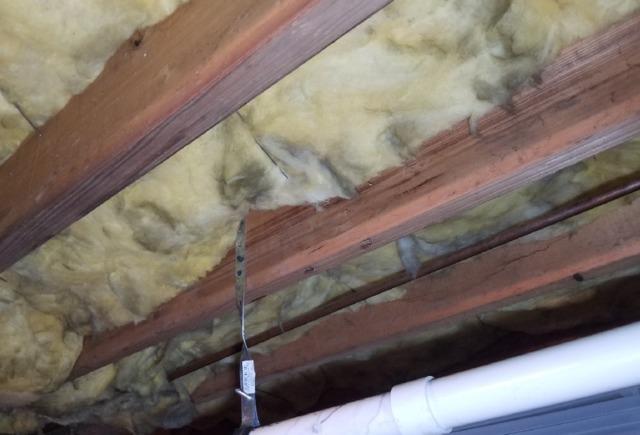
Moisture Mapping & Thermal Imaging
We track humidity gradients and pinpoint wet insulation, slab leaks, masonry efflorescence, or envelope condensation unique to Rochester's microclimate in Monroe County.
Specialized Capabilities
Remediation Services Available in Rochester
Comprehensive environmental containment, fungal sanitization, and structural drying tailored to Rochester's architecture.
Source MappingMold Inspection in Rochester
Find the moisture source, not just the stain.
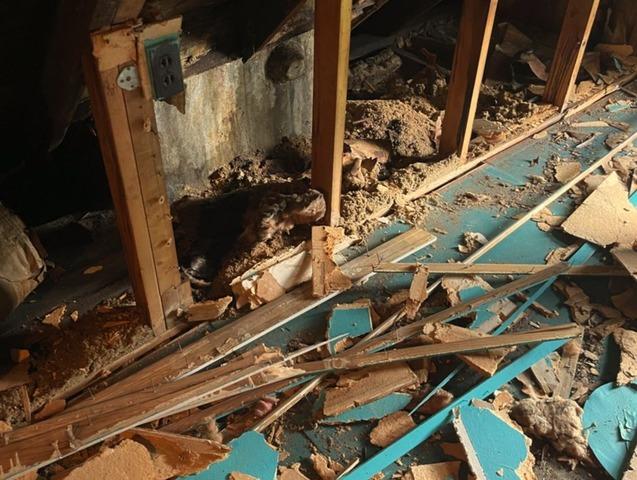 Lab Verified
Mold Testing in Rochester
Air and surface sampling when it changes the plan.
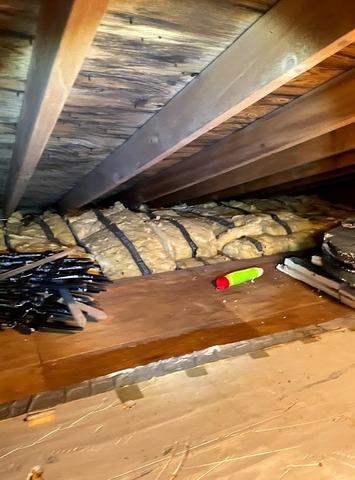 IICRC Standard
Mold Remediation in Rochester
Containment, removal, filtration, documentation.
 24/7 Rapid Dry
Water Damage Restoration in Rochester
Extraction and structural drying before mold starts.
 Air & Spores
Indoor Air Quality Testing in Rochester
Understand what's circulating through the building.
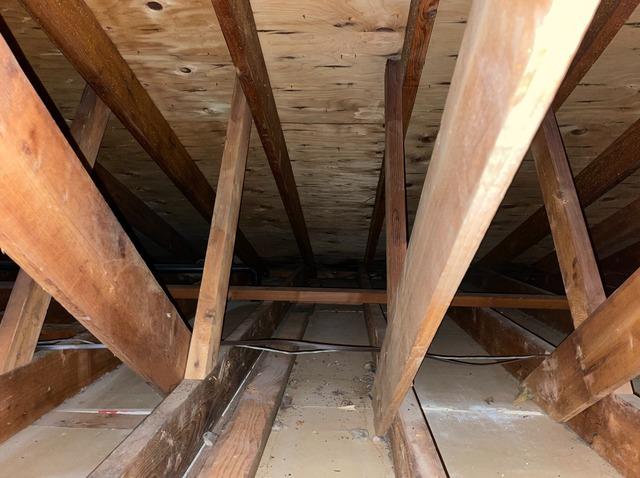
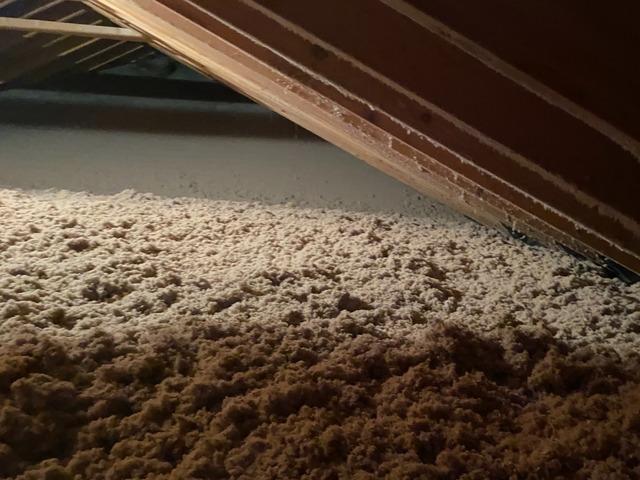
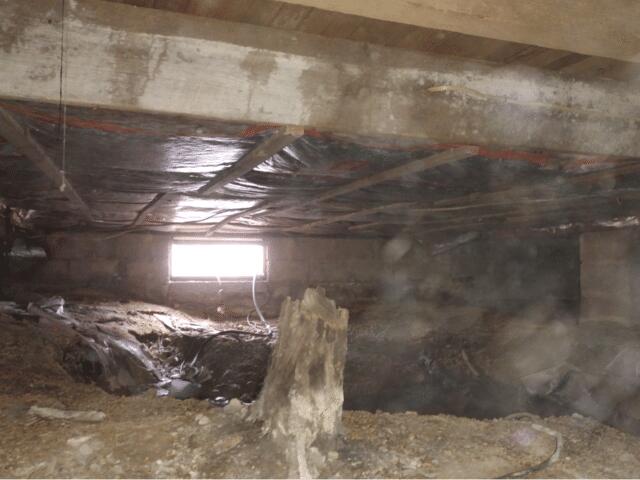 Subfloor & Attic
Attic, Crawlspace & Basement Mold in Rochester
The three places moisture hides longest.
7-Step Standard
How a Rochester Project Runs
Every project follows the same disciplined standard of care, scaled to the size and urgency of the loss.
 01
01Triage call
When you contact us, we start by understanding the situation—not by making assumptions. We ask what happened, where the problem is located, whether water is still active, and whether the property is occupied. That helps us set the right priority, bring the appropriate equipment, and schedule the next step without unnecessary delay.
 02
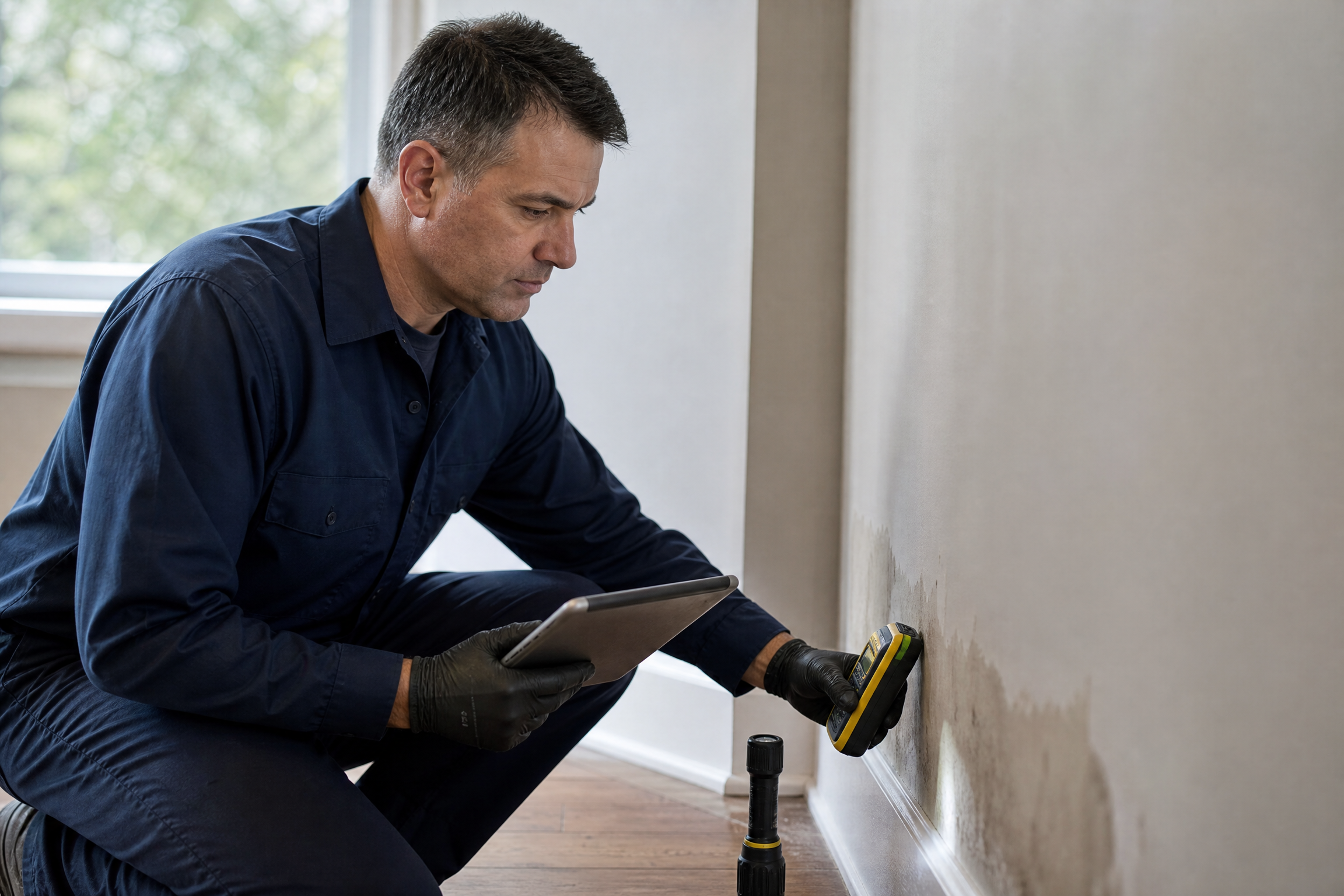
02Inspection and scope
We inspect the affected areas, take moisture readings, document visible conditions, identify impacted materials, and note access constraints. You receive a clear written scope so you can understand what needs attention before work begins.
 03
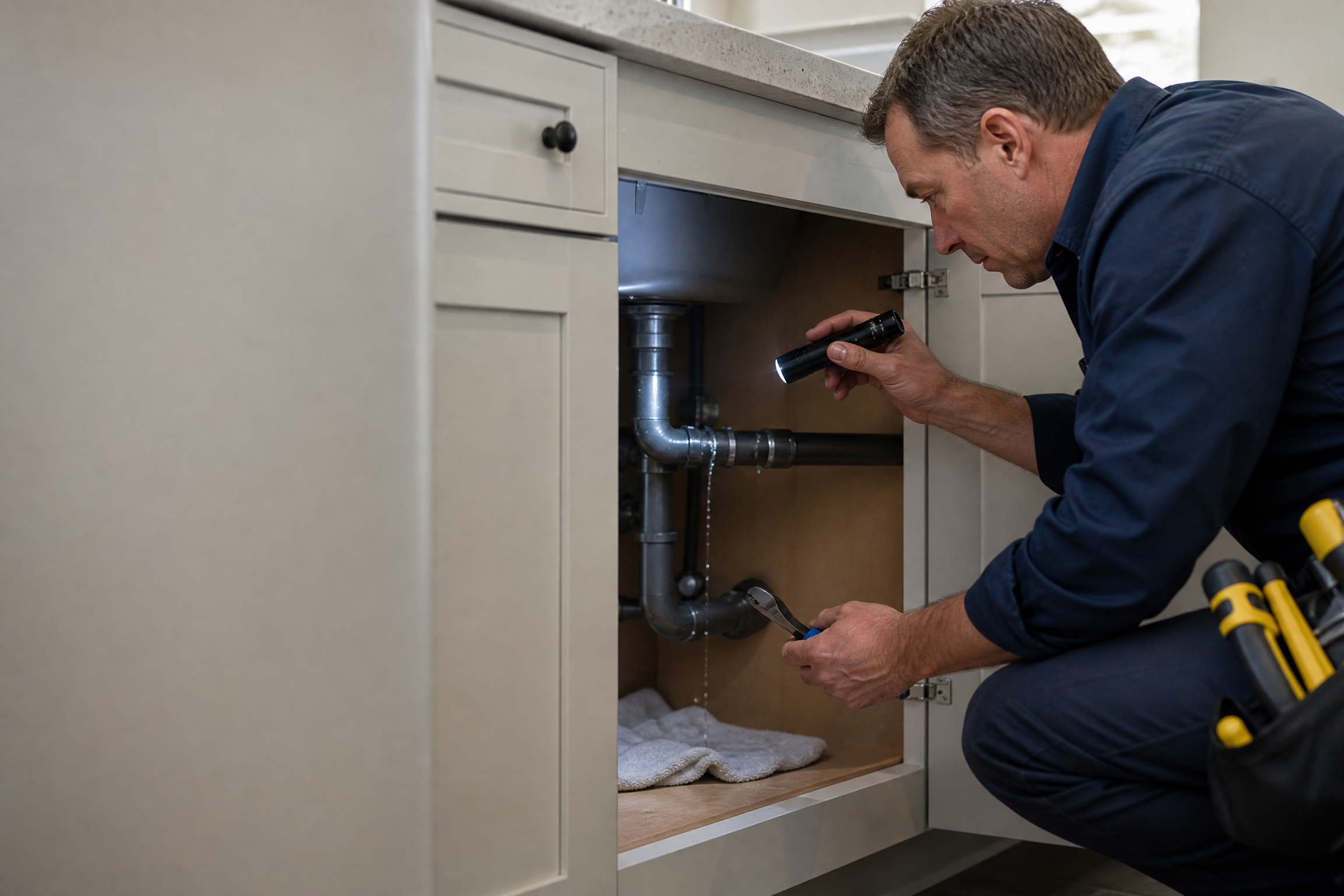
03Source correction
Cleaning up the visible damage is only part of the job. We look for the condition that allowed the problem to happen—such as a plumbing leak, excess humidity, drainage issue, or inadequate ventilation—and coordinate the correction needed to help prevent a repeat loss.
 04
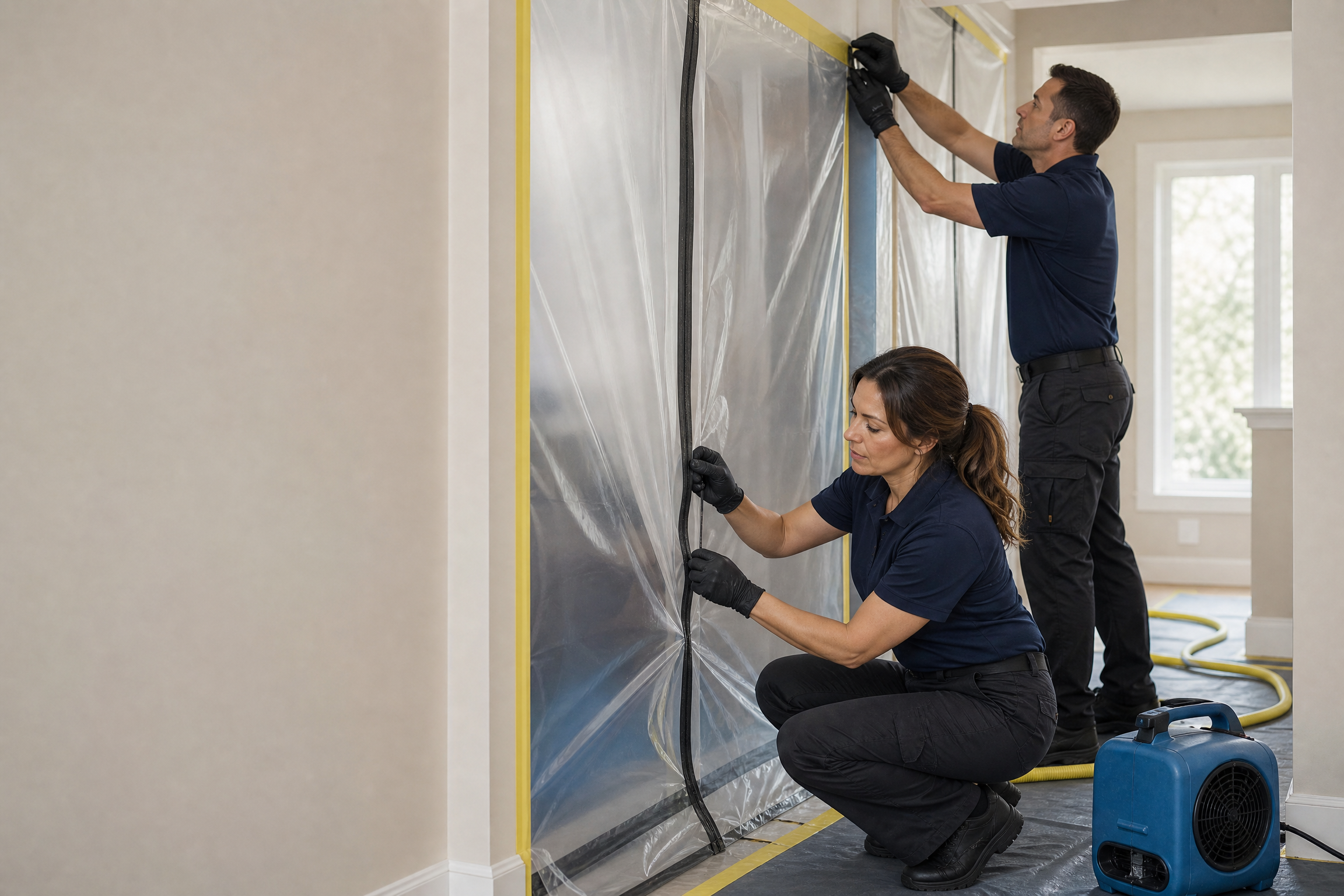
04Containment
Before remediation begins, we isolate the work area and protect the rest of the property. Depending on the situation, that may include barriers, air filtration, floor protection, contents protection, and careful separation between affected and unaffected spaces.
 05
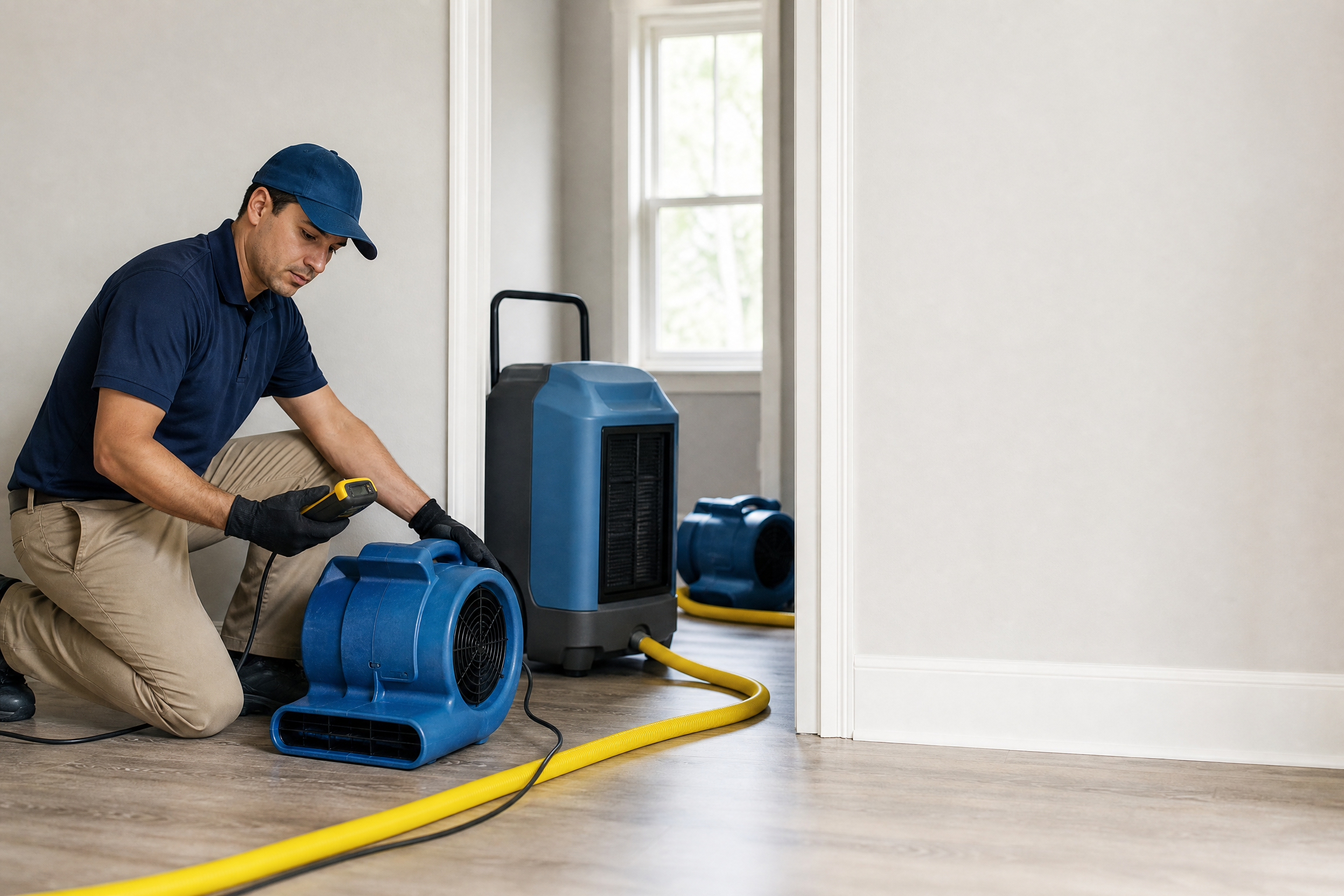
05Remediation and drying
Affected materials are cleaned, treated, or removed based on their condition and the project scope. We use professional drying equipment, monitor moisture levels, and HEPA-clean the work area so the space is ready for the next stage.
 06
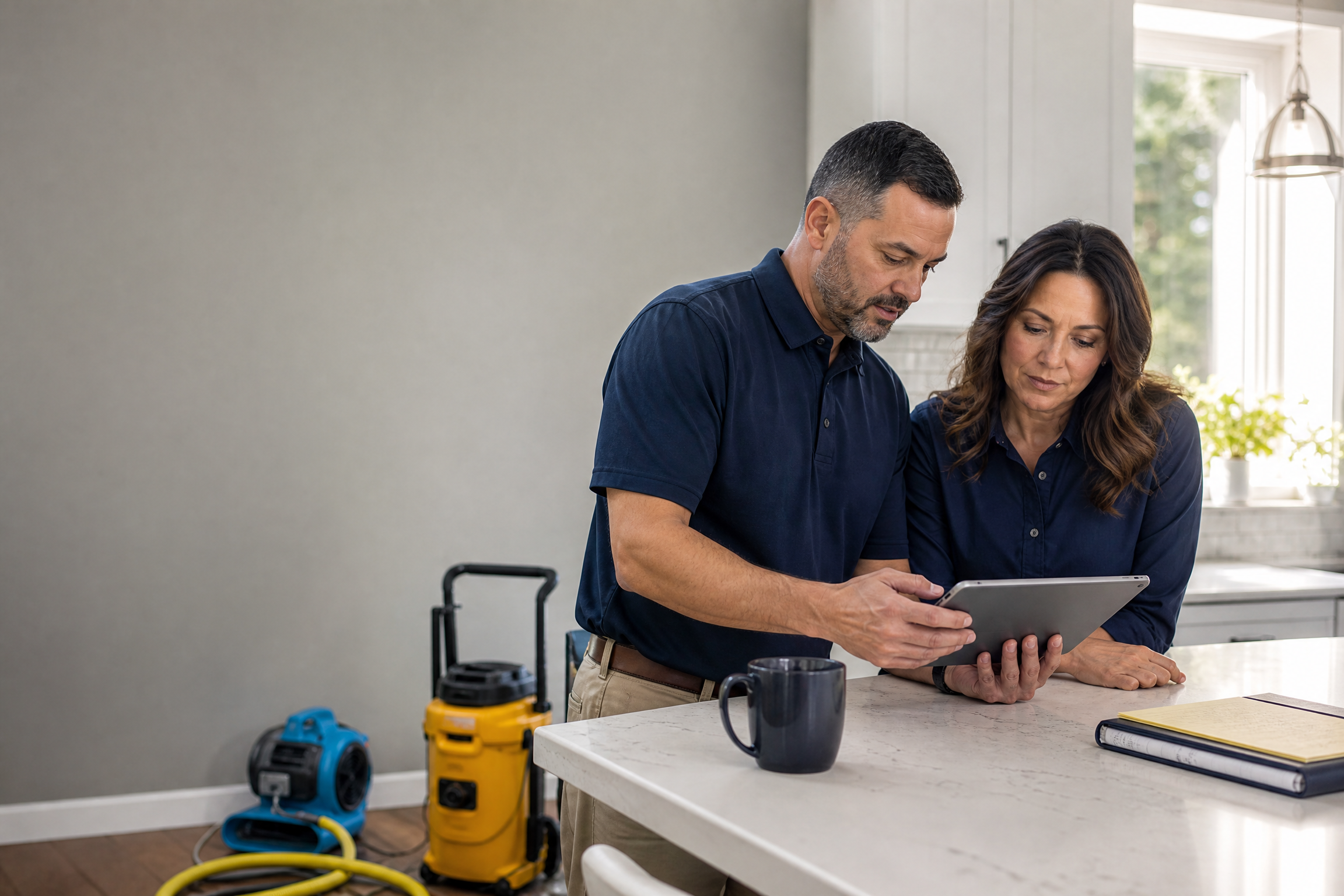
06Repairs and documentation
Once the affected area is stable, reconstruction is coordinated as needed. We keep the project record organized, including the scope, readings, work completed, and relevant photos, so you have useful documentation for your files or your insurer.
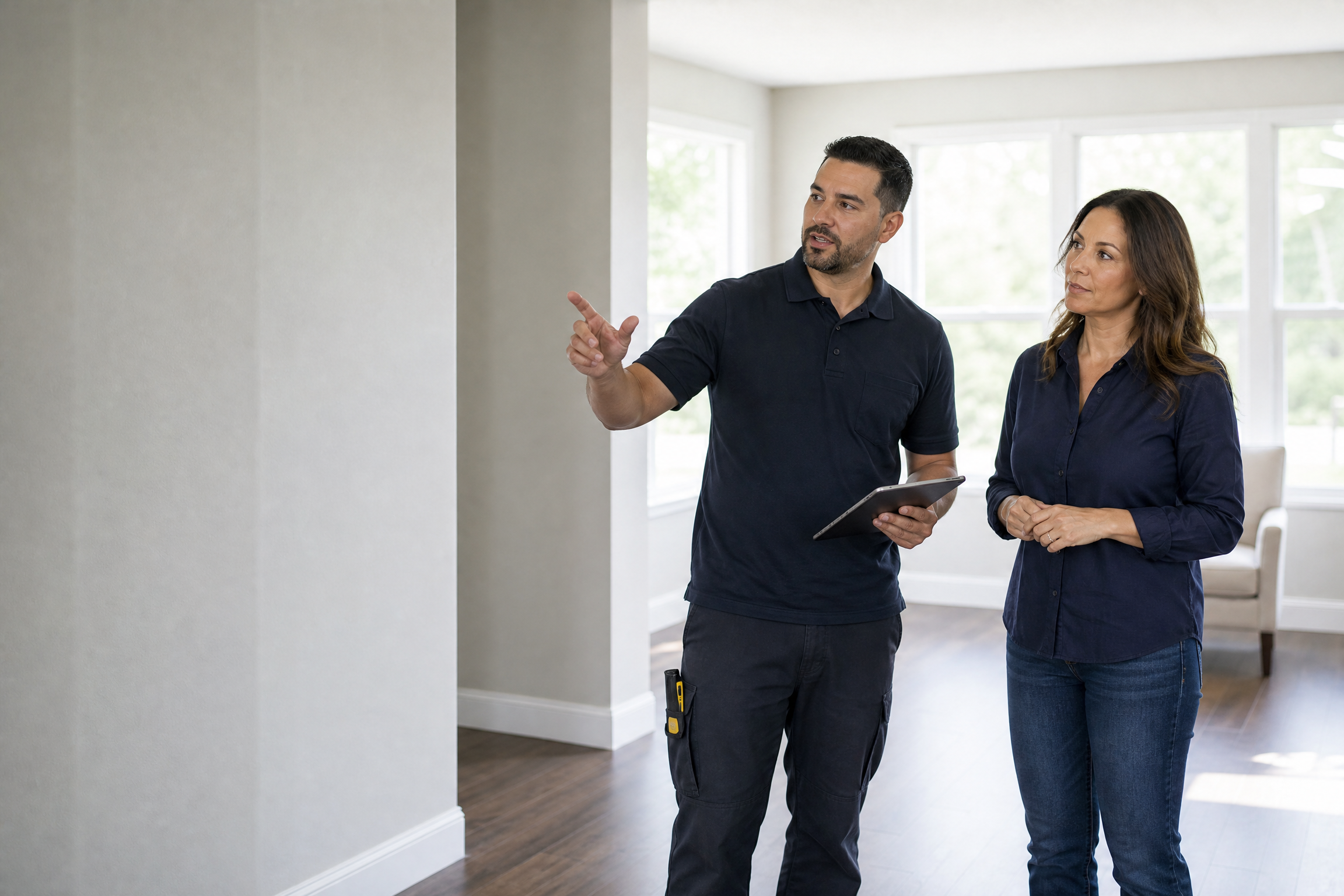 07
07Closeout
At the end of the project, we review the completed work with you, explain practical prevention steps, and answer remaining questions. When the situation warrants it, we can also arrange independent verification before the project is considered complete.
- IICRC-trained technicians
- Licensed and insured
- Written scope before work begins
- Residential and commercial
- Insurance documentation support
- Nationwide response network
Mold problem in Rochester? Get a free quote today.
Request a 100% free, no-obligation estimate. We assess your situation, guide you on immediate precautions, and provide a clear remediation plan.
FAQ
Mold Questions from Rochester Property Owners
Why do Rochester attics frequently fail real estate mold inspections?
Bathroom exhaust fans improperly vented directly into attic spaces rather than through the roof create intense localized humidity, growing mold on northern roof rafters.
How do you handle mold in finished basement living areas?
We isolate the area with zip-wall containment, remove saturated drywall and baseboards up to a clean line, sanitize studs, and dry the concrete subfloor to standard.
Is post-remediation clearance testing included?
We provide comprehensive post-remediation documentation and work with independent air quality labs for third-party verification.
What Monroe County areas do you cover?
Rochester, Brighton, Pittsford, Penfield, Webster, Greece, Irondequoit, Fairport, and Victor.
Can mold cause musty odors in older South Wedge homes without visible spots?
Yes. Mold frequently grows behind baseboards, under carpets, or inside wall cavities before becoming visibly apparent on painted walls.