Mold Removal & Remediation in New York, NY
24/7 emergency dispatch, certified moisture inspection, physical containment, and documented microbial remediation across New York and New York County. 100% free upfront estimates with insurance-ready scopes.
Active coverage in Upper West Side, Harlem, Park Slope, Bedford-Stuyvesant, Astoria and surrounding New York County neighborhoods.
Why New York properties develop mold
Mold problems in New York City are shaped by density and by age. Much of the residential stock predates 1940: brownstones with party walls, pre-war elevator buildings with steam risers, and tenement-era apartments where a plumbing failure in one unit becomes a mold problem in three. Assemblies are masonry and plaster rather than stud-and-drywall, so water travels differently and hides longer — often surfacing as bubbling paint or efflorescence a floor below the actual leak.
Below-grade space is the other dominant factor. Basement and garden apartments across Park Slope, Bedford-Stuyvesant, Astoria and Washington Heights sit against soil with limited or no exterior waterproofing. Groundwater, failing area drains, downspouts discharging at the foundation and sewer backups during intense summer downpours all put water where there is very little ventilation to remove it.
Steam heat and single-pane-era envelopes create a winter version of the problem. Interior surfaces on uninsulated exterior walls drop below dew point while apartments are overheated and windows stay shut, causing surface growth on plaster and closet contents.
Access logistics matter as much as technique here. Work has to be coordinated with supers, boards, managing agents and tenants; corridors require containment; and debris must leave on building-approved schedules.
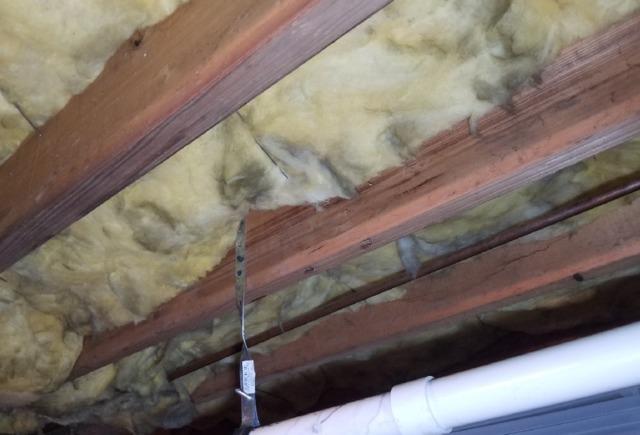
Moisture Mapping & Thermal Imaging
We track humidity gradients and pinpoint wet insulation, slab leaks, masonry efflorescence, or envelope condensation unique to New York's microclimate in New York County.
Specialized Capabilities
Remediation Services Available in New York
Comprehensive environmental containment, fungal sanitization, and structural drying tailored to New York's architecture.
Source MappingMold Inspection in New York
Find the moisture source, not just the stain.
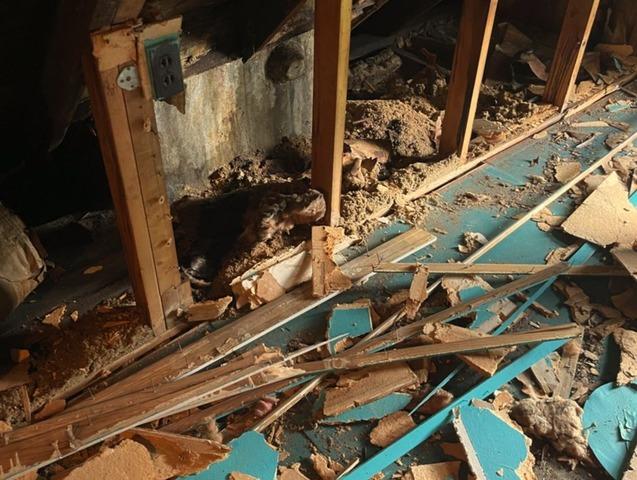 Lab Verified
Mold Testing in New York
Air and surface sampling when it changes the plan.
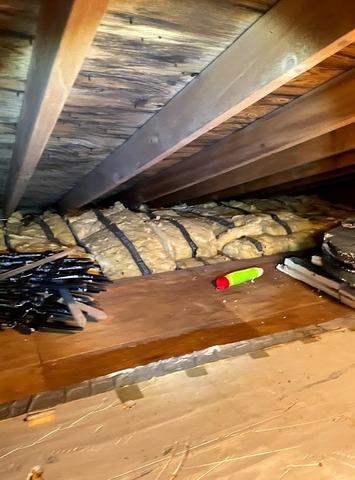 IICRC Standard
Mold Remediation in New York
Containment, removal, filtration, documentation.
 24/7 Rapid Dry
Water Damage Restoration in New York
Extraction and structural drying before mold starts.
 Air & Spores
Indoor Air Quality Testing in New York
Understand what's circulating through the building.
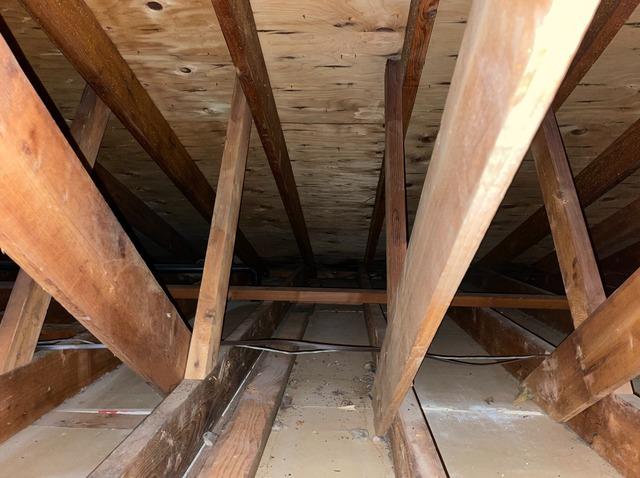
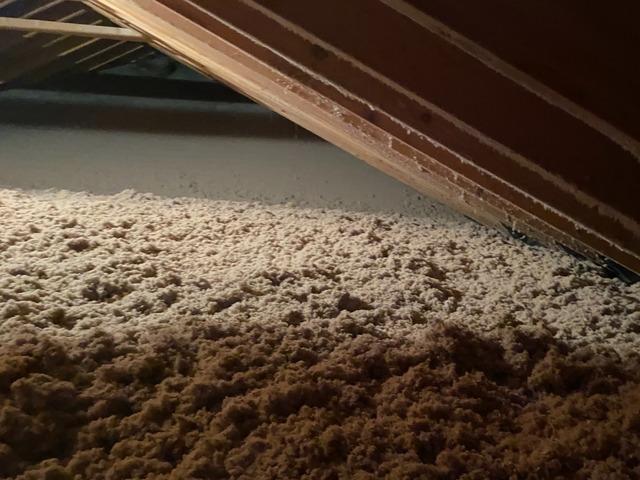
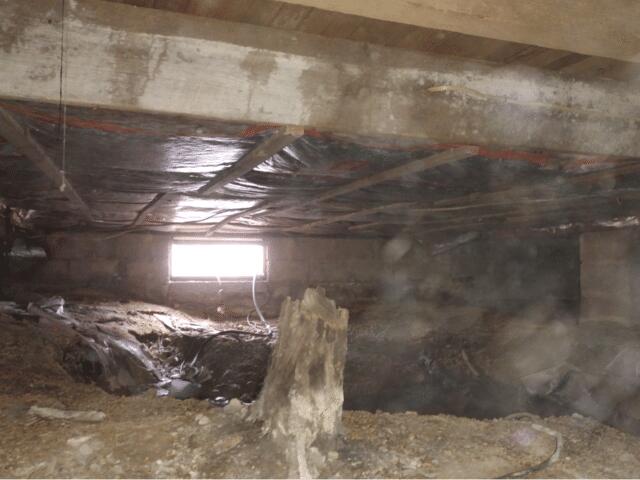 Subfloor & Attic
Attic, Crawlspace & Basement Mold in New York
The three places moisture hides longest.
7-Step Standard
How a New York Project Runs
Every project follows the same disciplined standard of care, scaled to the size and urgency of the loss.
 01
01Triage call
When you contact us, we start by understanding the situation—not by making assumptions. We ask what happened, where the problem is located, whether water is still active, and whether the property is occupied. That helps us set the right priority, bring the appropriate equipment, and schedule the next step without unnecessary delay.
 02
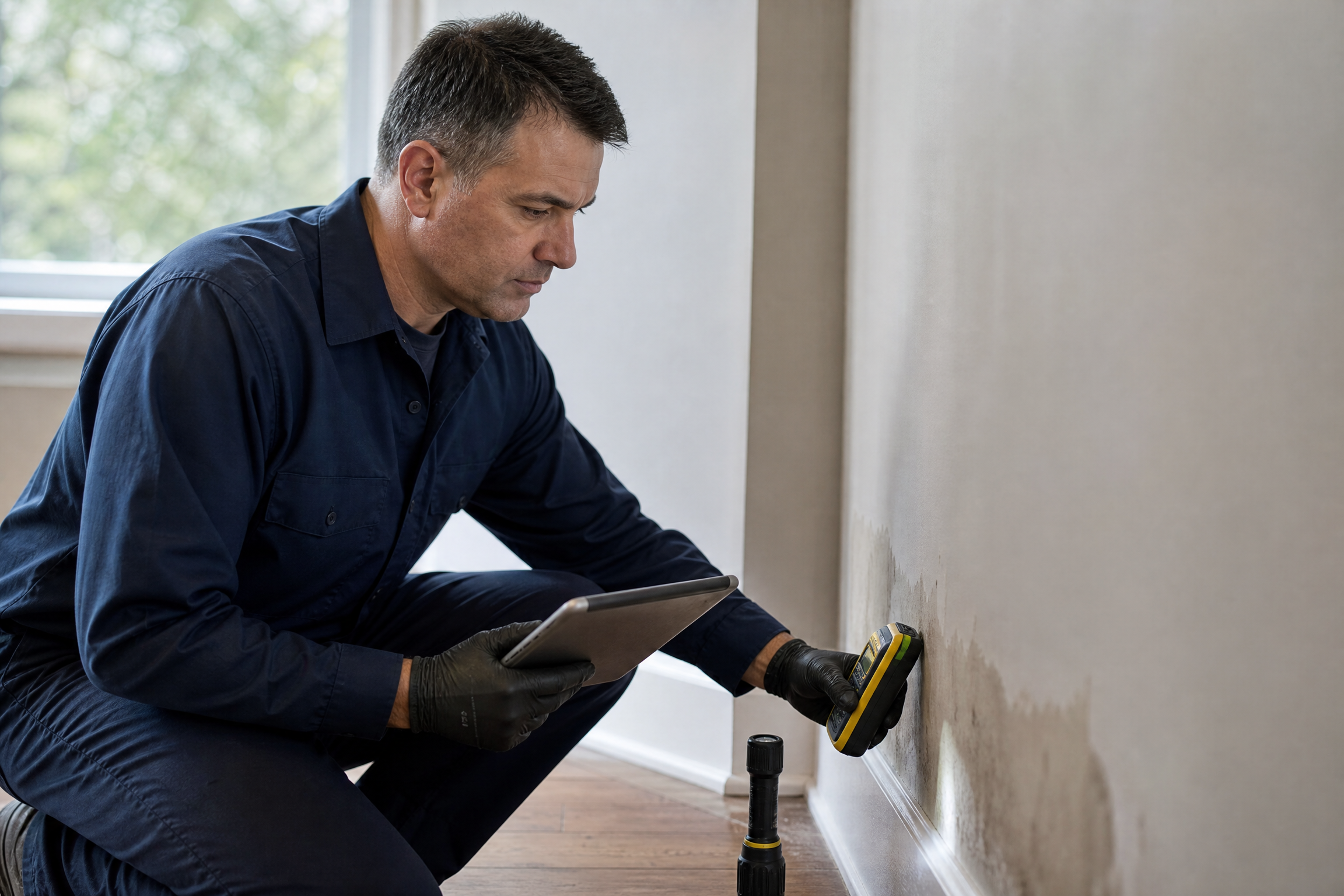
02Inspection and scope
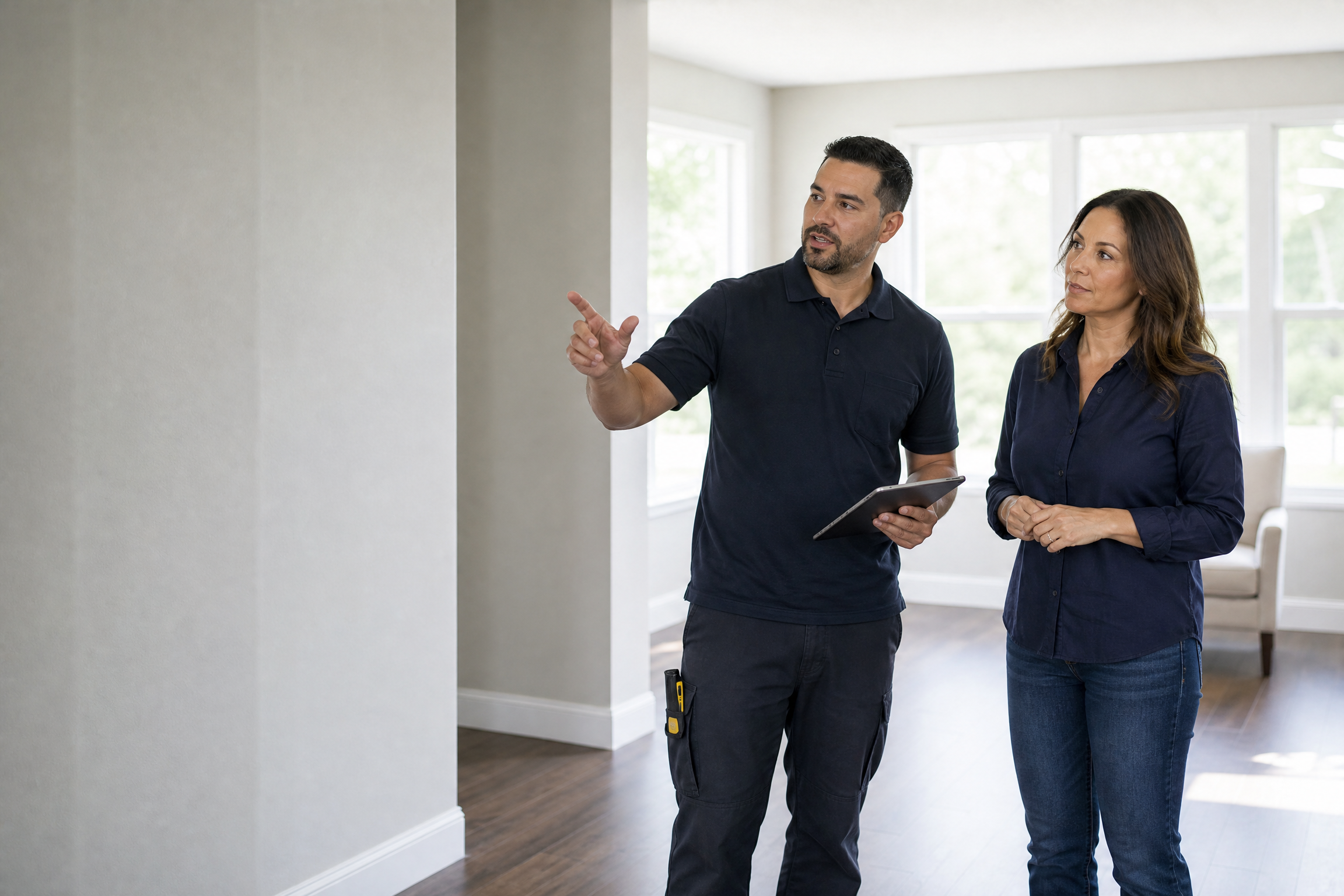
We inspect the affected areas, take moisture readings, document visible conditions, identify impacted materials, and note access constraints. You receive a clear written scope so you can understand what needs attention before work begins.
 03
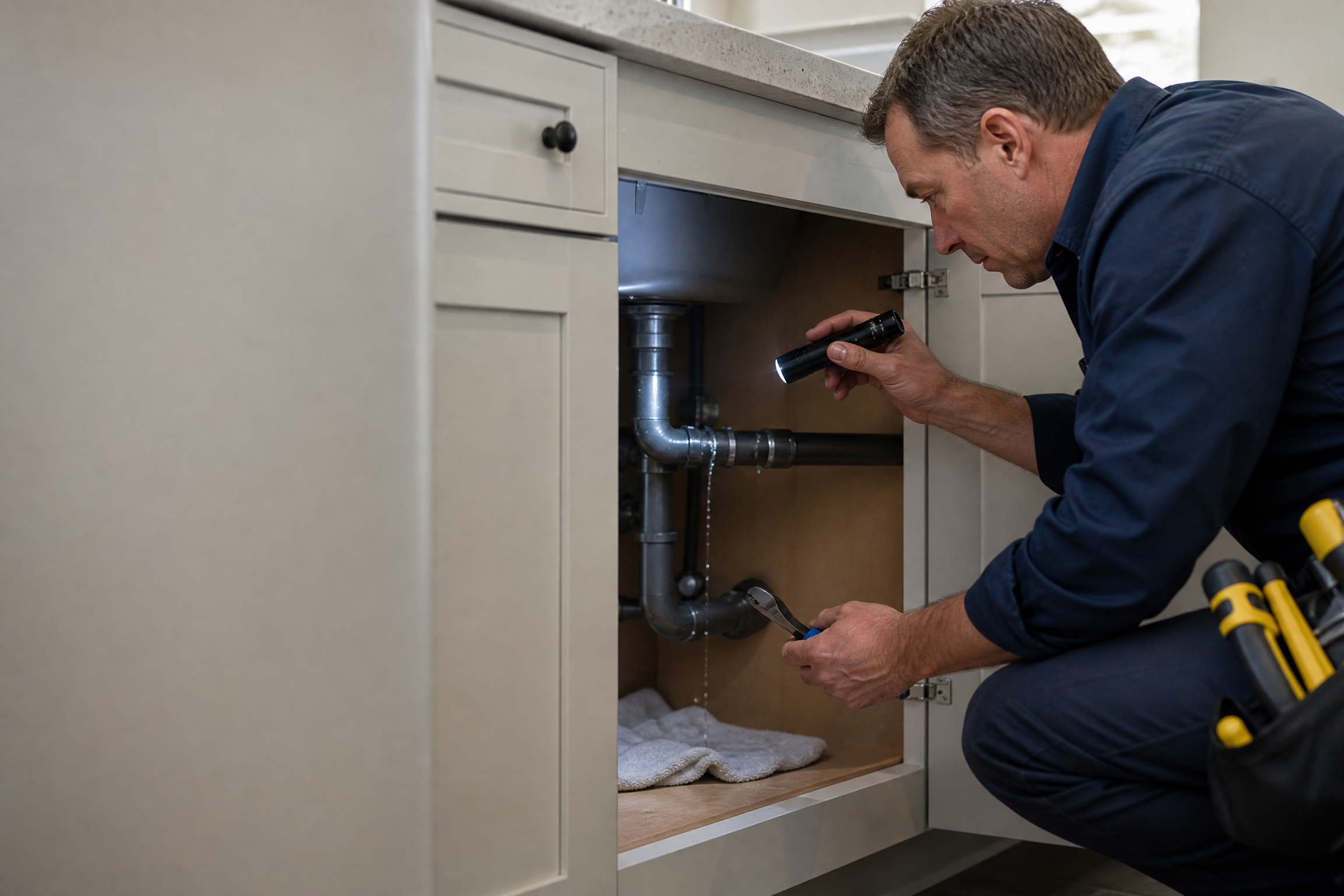
03Source correction
Cleaning up the visible damage is only part of the job. We look for the condition that allowed the problem to happen—such as a plumbing leak, excess humidity, drainage issue, or inadequate ventilation—and coordinate the correction needed to help prevent a repeat loss.
 04
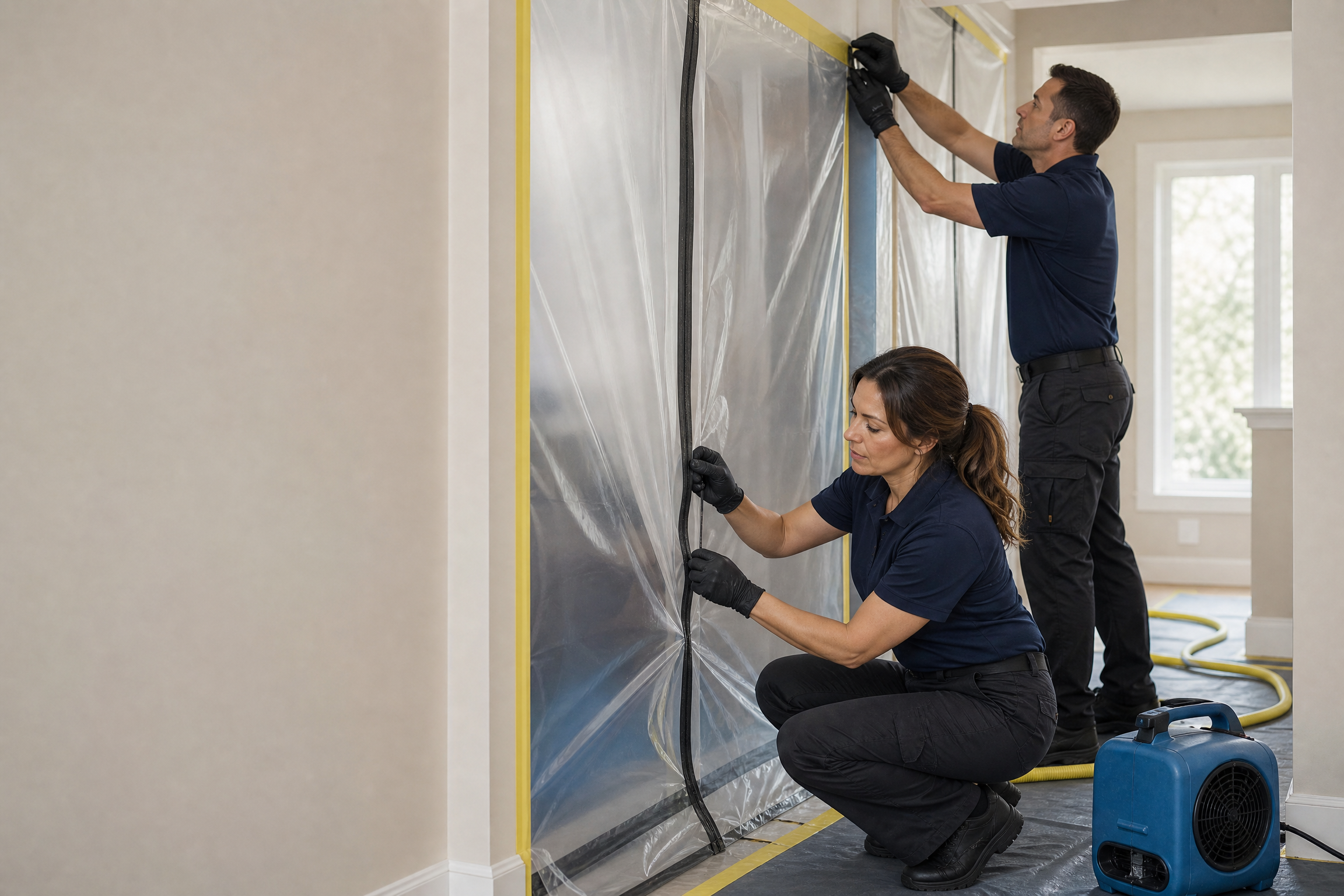
04Containment
Before remediation begins, we isolate the work area and protect the rest of the property. Depending on the situation, that may include barriers, air filtration, floor protection, contents protection, and careful separation between affected and unaffected spaces.
 05
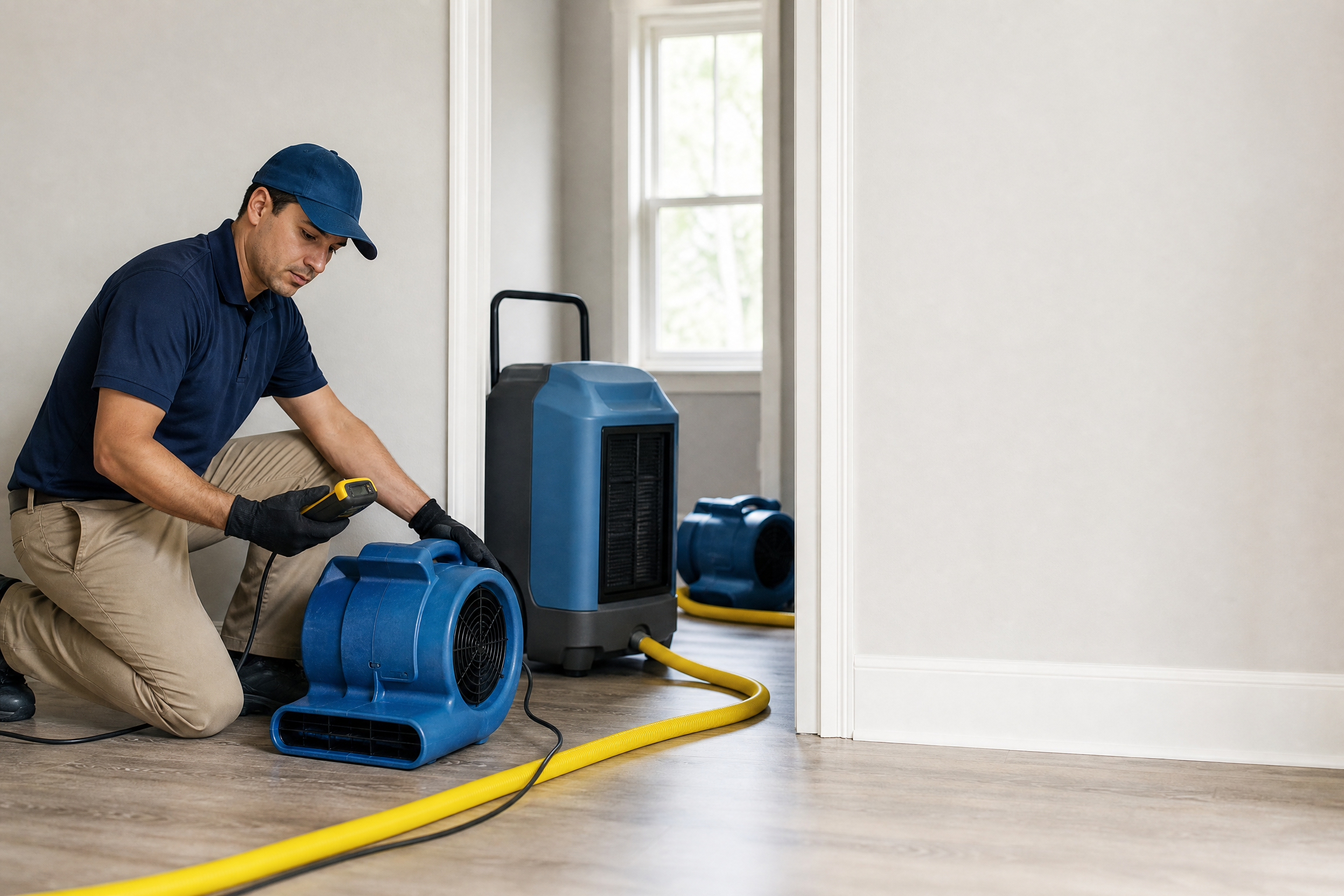
05Remediation and drying
Affected materials are cleaned, treated, or removed based on their condition and the project scope. We use professional drying equipment, monitor moisture levels, and HEPA-clean the work area so the space is ready for the next stage.
 06
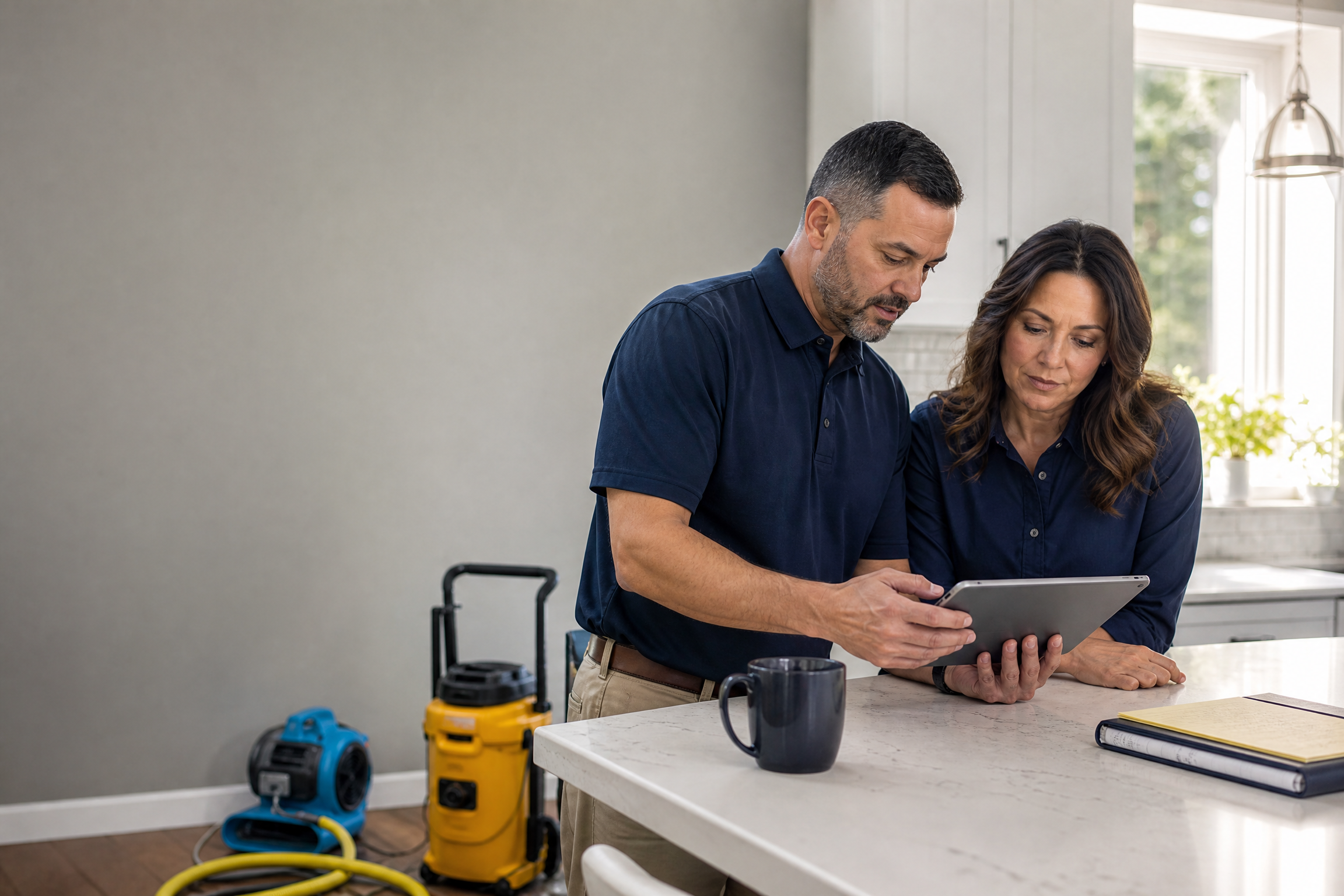
06Repairs and documentation
Once the affected area is stable, reconstruction is coordinated as needed. We keep the project record organized, including the scope, readings, work completed, and relevant photos, so you have useful documentation for your files or your insurer.
 07
07Closeout
At the end of the project, we review the completed work with you, explain practical prevention steps, and answer remaining questions. When the situation warrants it, we can also arrange independent verification before the project is considered complete.
- IICRC-trained technicians
- Licensed and insured
- Written scope before work begins
- Residential and commercial
- Insurance documentation support
- Nationwide response network
Mold problem in New York? Get a free quote today.
Request a 100% free, no-obligation estimate. We assess your situation, guide you on immediate precautions, and provide a clear remediation plan.
FAQ
Mold Questions from New York Property Owners
Do you work with co-op and condo boards and managing agents?
Routinely. We provide certificates of insurance, coordinate service-elevator and after-hours access, protect common areas, and issue documentation that separates unit-side from building-side damage.
Is basement mold in a brownstone fixable without excavation?
Often, yes. Interior drainage, sump systems, downspout and grading corrections, vapor control and dehumidification resolve many cases. Exterior excavation is reserved for structural or persistent hydrostatic problems.
There is mold in my closet but no leak. Why?
That pattern usually indicates condensation on a cold uninsulated exterior wall in an overheated, poorly ventilated apartment. The fix combines cleaning with insulation, air sealing, air circulation and humidity control.
My apartment flooded from a sewer backup. Is that different?
Yes. Sewage is Category 3 water. Affected porous materials are removed rather than cleaned, the area is disinfected and dried under containment, and the process is documented in detail.
Which parts of New York do you serve?
All five boroughs plus nearby Westchester, Nassau and Hudson County communities, including Park Slope, Bed-Stuy, Astoria, Harlem, the Upper West Side, Forest Hills and Riverdale.